
By Dr Debbie Coney
Luxury has always been defined by tension — between past and present, craft and innovation, heritage and reinvention. Nowhere is this more visible than in the evolving relationship between luxury and technology. Far from being opposites, these two forces are increasingly intertwined, shaping how we experience, value, and understand luxury.
NFTs and Digital Ownership
NFTs (non-fungible tokens) are unique digital certificates stored on the blockchain, verifying ownership and authenticity of a digital asset. In luxury, NFTs have moved beyond hype to offer new ways to express identity and collect rarity. From digital artworks to virtual handbags, NFTs challenge our notions of what constitutes a “luxury object” by proving that scarcity and status can exist purely in digital form.
Take Gucci’s Roblox Dionysus bag, which famously sold for more than its real-life counterpart. This wasn’t about materials or craftsmanship — it was about digital visibility, community status, and cultural capital in a virtual world. For Gen Z and beyond, owning luxury isn’t limited to the physical.

Blockchain and Trust
If NFTs are the front end of digital luxury, blockchain is the infrastructure. A blockchain is a secure, decentralised digital ledger that can’t be altered — making it ideal for proving authenticity and provenance. Rolex has adopted blockchain-backed digital certificates for its watches, replacing paper documents that were easy to forge. Now, each watch comes with a permanent digital record, protecting both heritage and investment value.
Blockchain doesn’t replace the watchmaker’s art — it supports credibility, integrity, symbolism, and continuity, all central pillars of luxury.
AI and Personalisation
Artificial intelligence is increasingly embedded in luxury service, particularly in personalisation and recommendation. Moët Hennessy, for example, has experimented with AI wine-pairing tools that analyse flavour profiles and suggest perfect matches in seconds. This technology doesn’t replace the sommelier’s ritual — it enhances the experience, making luxury more tailored without losing its emotional core.

Rolls-Royce: Craft Meets Code
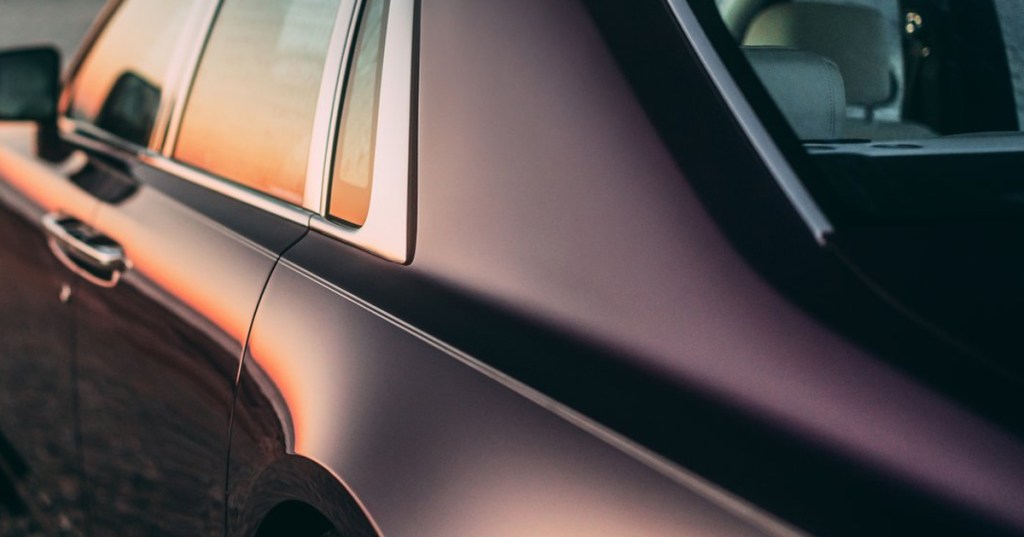
Luxury’s most compelling examples lie in the blend, not the binary. Consider Rolls-Royce: every car still features a hand-painted coachline, applied freehand by a single artisan using a brush made from ox hair — a symbol of patience and mastery. Yet the same vehicle is equipped with some of the most advanced AI-assisted driving systems in the world. Craft and code exist side by side, each enhancing the other.
Generational Shifts
Different generations experience luxury technology in different ways.
- Baby Boomers (1946–1964) value tradition, craftsmanship, and personal service.
- Gen X (1965–1980) straddles analogue and digital, valuing quality with convenience.
- Millennials (1981–1996) seek experiences, authenticity, and sustainable storytelling.
- Gen Z (1997–2012) are digital natives, fluent in hybrid physical-digital (phygital) experiences, identity expression, and virtual ownership.
- Gen Alpha (2013–) are growing up immersed in AI and virtual environments — they will expect seamless integration between craft and tech.
The Future: Human Touch in a Tech World
The future of luxury isn’t about choosing between tradition and innovation — it’s about blending them intelligently. Technology should be judged by how well it preserves luxury’s core values: credibility, integrity, symbolism, and continuity.
- Rolls-Royce is embracing electric vehicles while maintaining hand-finished interiors.
- Hennessy uses NFTs to secure rare Cognacs without diminishing ritual.
- Cartier digitises archives while preserving boutique storytelling.
Tomorrow’s exclusivity will be less about owning physical objects and more about accessing hybrid experiences that are personal, immersive, and anchored in heritage.
Final Thoughts
Luxury and technology are no longer separate domains. As blockchain secures heritage, AI personalises experiences, and digital worlds create new spaces for identity, luxury must evolve without losing its soul. The brands that thrive will be those that use technology not as a gimmick, but as a tool to deepen meaning, storytelling, and emotional connection.
 Coney Luxury