Luxury at a Turning Point: What 2025 Taught Us โ€” and What 2026 Demands

by Dr Debbie Coney

As we move into 2026, itโ€™s clear that luxury is not simply recovering from a difficult year โ€” it is redefining itself.

2025 marked a moment of reckoning for the sector. Around 20 million consumers stepped away from luxury, discounting became widespread, and price rises increasingly outpaced perceived value. What initially looked like a cyclical slowdown has revealed something deeper: a structural reset driven by shifting consumer values, fatigue with excess, and growing demands for authenticity and care.

Rather than signalling decline, this moment is opening space for a more disciplined, meaningful and human form of luxury.


From Excess to Authenticity: The 2025 โ€œAwakeningโ€

Six Senses Ibiza wellbeingescapes.com

Across fashion, hospitality and lifestyle, consumers are rejecting:

Logo-led status

Hype-driven launches

Visibility without substance

Instead, growth and resilience are emerging in areas where value can be felt and proven:

Experiences and hospitality

Jewellery and watches

Wellness and restorative travel

Auctions, where provenance and rarity are transparent

This shift reflects a broader erosion of trust โ€” not only in brands, but in institutions, media narratives and performative consumption. Luxuryโ€™s role as an aspiration engine is changing. Desire today is less about signalling wealth and more about signalling discernment.


Sustainability: From Storytelling to Proof
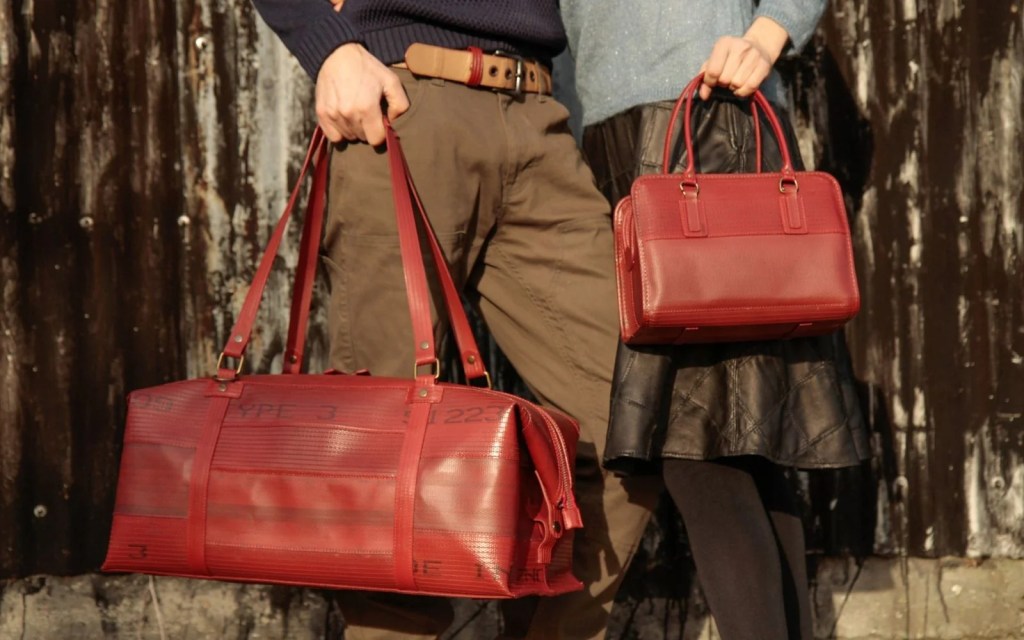
Elvis & Kresse THREE PILLARS – RESCUE, TRANSFORM, DONATE elvisandkresse.com

In 2026, sustainability is no longer a marketing message โ€” it is a credibility test.

Consumers are no longer persuaded by abstract claims or green language. Instead, sustainability is being read through:

Longevity and durability

Repair and aftercare

Transparency around sourcing and craft

Restraint in production and growth

Discounting and overproduction are increasingly perceived not just as economic weakness, but as environmental and ethical failure. The rise of traceability tools and Digital Product Passports will further embed sustainability into the everyday experience of luxury โ€” quietly, but decisively.

In short, sustainability now underpins trust.


The Human Reset
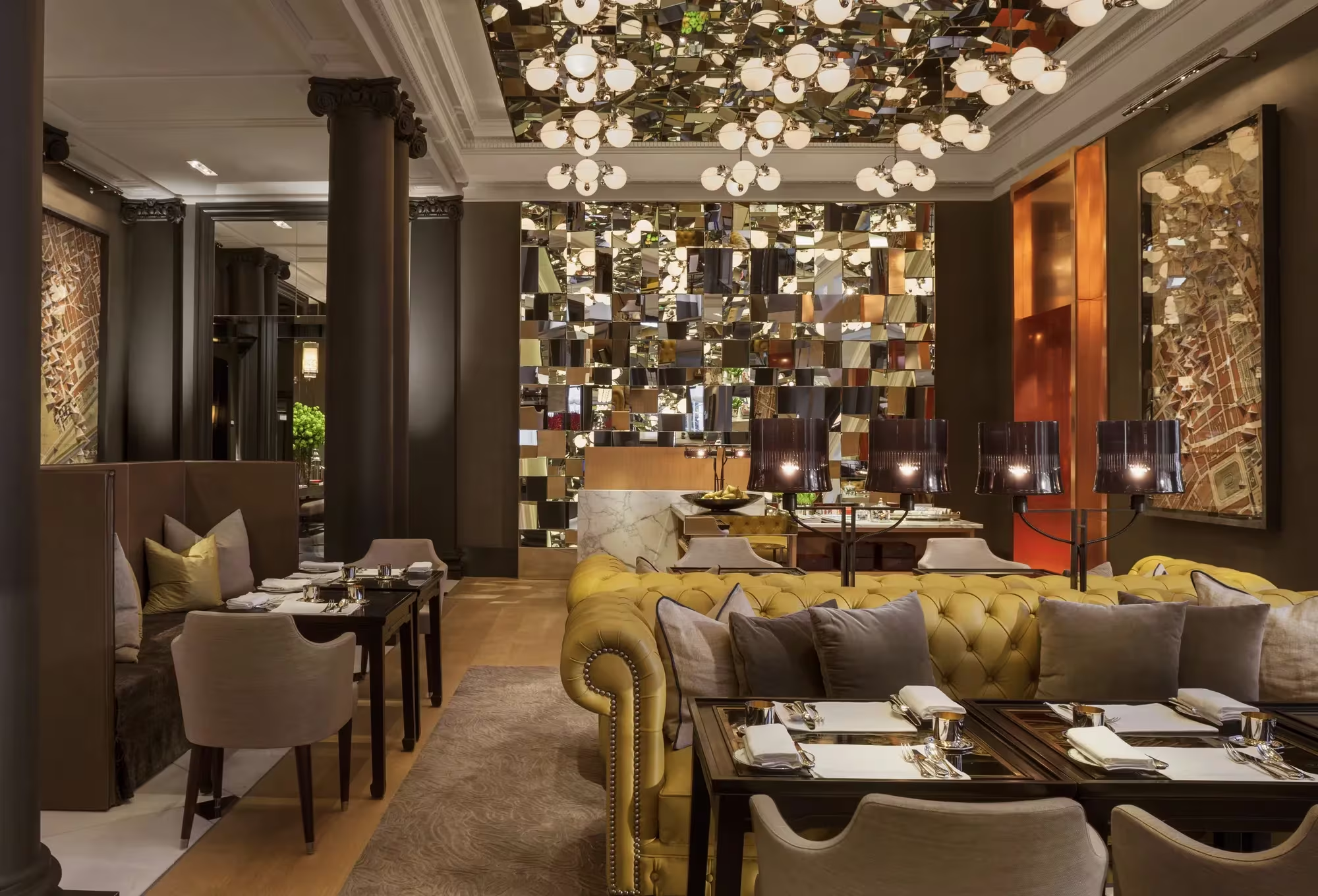
Rosewood London rosewoodhotels.com

One of the clearest lessons moving into 2026 is this: luxury is relational, not transactional.

High prices alone no longer sustain the illusion of luxury. Across brands and destinations, poor service culture, indifferent staff experiences and transactional environments are breaking emotional connection.

Human sustainability is now inseparable from brand sustainability:

How craftspeople are supported

How service teams are trained and valued

How empathy and care are embedded into experiences

Luxuryโ€™s most powerful differentiator in 2026 is not product or price โ€” it is how people are made to feel.


A Return to Expression โ€” With Discipline

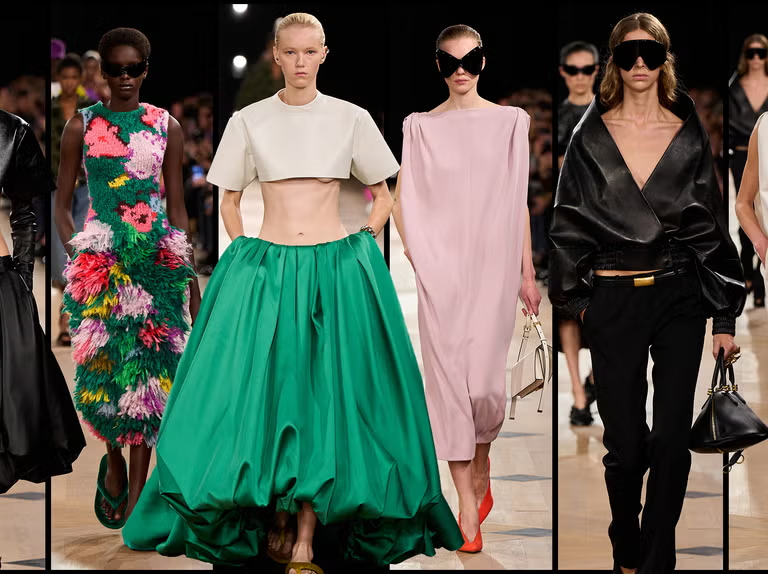
Balenciaga Runway SS 2026, Harpers BAZAAR

After years of muted palettes and โ€œquiet luxury,โ€ 2026 signals a return to confident colour and expression.

Runways point to:

Bold brights: fuchsia, red, electric green, turquoise

Jewel tones: emerald, teal, deep blue

Grounding neutrals: cocoa brown, amber, stone grey

Calming counterpoints: creamy whites and soft pastels

This is not a return to excess for its own sake. Expression is welcomed โ€” waste is not. Colour and creativity are being anchored in craftsmanship, quality materials and longevity. Boldness must now earn its place.


Experiences and โ€œDeep Luxuryโ€

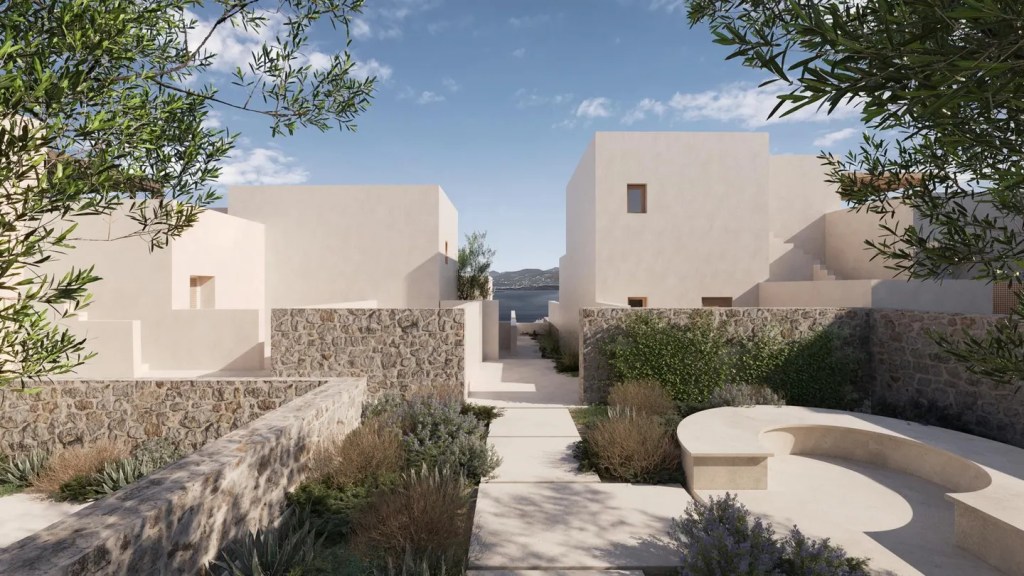
Luura hotel launch, Luura Cliff, on the island of Paros, opens May 2026, Laurahotels.com

Experiences are no longer peripheral to luxury โ€” they are central.

Growth is accelerating in:

Wellness-led hospitality

Restorative and slow travel

Conservation-focused experiences

Cultural immersion and learning

These forms of โ€œdeep luxuryโ€ offer high emotional value with lower material intensity. They rebuild aspiration without relying on overproduction, aligning economic resilience with environmental responsibility.


What This Means Going Forward

Luxury in 2026 is not about being louder, faster or bigger. It is about being:

More selective

More human

More transparent

More worth it

For brands, this means repairing the priceโ€“value relationship, investing in people, and treating sustainability as behaviour rather than branding.
For educators, it means preparing students for a sector defined by discipline, ethics, experience and emotional intelligence โ€” not just growth.

Luxuryโ€™s future belongs to those who understand that endurance, not excess, is now the ultimate signal of value.

The Future of Silent Luxury and the Evolving Expectations of the Modern Luxury Consumer

In an era of economic volatility, cultural introspection, and rapid digital change, a quieter form of luxury is gaining prominence. Once a niche aesthetic reserved for insiders, silent luxury has become a powerful cultural and commercial forceโ€”defined by discretion, restraint, heritage craftsmanship, and ethical integrity.

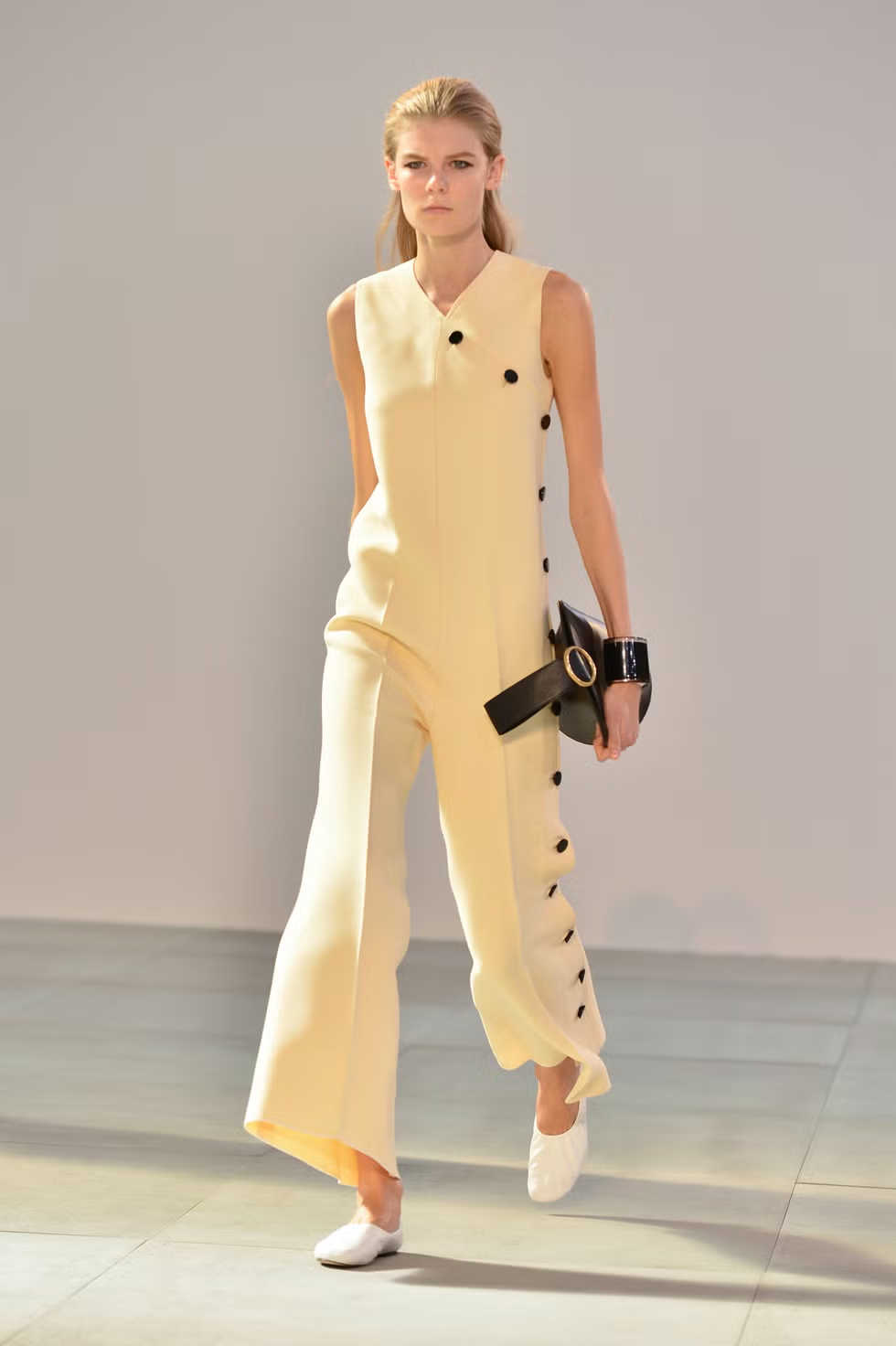
My recent investigation into the evolution of silent luxury explores how this subtle, logo-free approach is reshaping brand strategies and consumer expectations. Drawing on case studies includingย The Row,ย Gabriela Hearst, andย Old Cรฉline, the analysis reveals that silent luxury is not simply about muted design, but a broader ideological shift towards authenticity, sustainability, and identity-based consumption.

Rosie Huntington-Whiteley, captured on British Vogue, wearing the stomper boot.

What Defines Silent Luxury Today?

Silent luxury reflects a generational rejection of ostentation. Modern luxury consumersโ€”particularly Gen Z and Millennials, who are set to dominate luxury spending by 2030โ€”seek brands that align with their values. They demand purpose, emotional resonance, and discretion. Logo-free garments, muted palettes, and minimalist silhouettes have become new indicators of status, where cultural capital replaces conspicuous wealth.

As Bourdieu’s theory of distinction suggests, cultural literacy and taste are the new signifiers of status. Silent luxury appeals to those who wish to communicate “insider knowledge” rather than loud recognition.ย Brands like The Row, with their no-logo policy and timeless tailoring, turn understatement into aspiration.

Strategic Responses: Case Studies in Practice

  • The Rowย adopts silent marketing by foregoing advertising and embracing scarcity. It communicates excellence through elevated materials, selective distribution, and an intimate, tactile retail experience.
  • Gabriela Hearstย embodies sustainability-led silent luxury, using deadstock fabrics, ethical partnerships, and innovation to build a quiet, responsible brand.
  • Old Cรฉline, under Phoebe Philo, cultivated a cult following through intellectual minimalism. Today, her pieces hold resale value, proving that discretion creates long-term cultural equity.
STEPHANE CARDINALE – CORBIS//GETTY IMAGES

The Silent Luxury Strategy Mapping Framework

The research led to the creation of a strategic framework based on four pillars:

  1. Minimalist Expression
  2. Ethical Depth
  3. Cultural Signalling
  4. Selective Availability

Brands that perform strongly in two or three of these areas tend to achieve authenticity and long-term appeal. Overextension across all four often results in dilution. Silent luxury thrives on coherence, not coverage.

The Road Ahead

Silent luxury is not the only future of luxury, but its rise reflects powerful cultural drivers that are here to stay: authenticity, sustainability, cultural capital, and emotional value. Brands that wish to remain relevant must act deliberately. Whether they embrace silence or not, future luxury will be defined not by volume or spectacle, but by meaning, restraint, and trust.

To survive the shifting tides of modern consumption, brands must ask: What do we stand for? And can we express thatโ€”quietly?

Sustainable Luxury in Aviation: The Future of Green Travel

In todayโ€™s world, where sustainability and luxury are no longer opposing forces but rather complementary ideals, the aviation industry is undergoing a remarkable transformation. Luxury brands, airports, and airlines are adapting to eco-conscious consumer expectations by integrating sustainable practices into their operations. From energy-efficient airport terminals to carbon-neutral flights, sustainability is reshaping the future of luxury travel.

Jewel’s ‘rain vortex’ is its indoor waterfall.  Credit: changi airport

The Rise of Sustainable Luxury in Airports

Modern travellers seek more than just exclusivity and indulgence; they demand responsible luxury. This shift is evident in airports worldwide, which are evolving into hubs of sustainability while maintaining their opulence. Leading airports such as Singapore Changi, Zurich, and Hamad International are pioneering LEED-certified architecture, renewable energy integration, and sustainable retail experiences.

Luxury brands operating within these spaces are also stepping up their green initiatives. High-end boutiques at airports are adopting eco-friendly store designs, utilizing sustainable materials in interiors, and offering circular economy initiatives, such as product take-back programs and repair services. This fusion of luxury and environmental responsibility is redefining the airport retail experience.

Eco-Conscious Design & Architecture in Airports

Sustainability in airports begins with their architectural design. The integration of energy-efficient materials, biophilic design elements, and carbon-neutral construction ensures that airports align with global sustainability goals. Changi Airport’s Jewel, with its indoor gardens and waterfall installations, is a prime example of how airports can blend luxury with nature to create a serene travel experience. Furthermore, airports are actively implementing smart energy systems, AI-driven lighting and climate control, and solar power solutions to reduce their carbon footprint. The electrification of ground support vehicles and sustainable aviation fuel (SAF) initiatives are making airport operations significantly greener.

Luxury Brands Leading Sustainable Innovation in Aviation

Luxury brands are leveraging airports as key platforms to showcase their commitment to sustainability. Major players like Hermรจs, Gucci, and Stella McCartney are pioneering eco-friendly fashion, cruelty-free leather alternatives, and sustainable packaging in their airport stores.

  • Hermรจs introduced its mycelium-based Victoria bag, demonstrating how brands can merge luxury craftsmanship with sustainable materials.
  • Gucci’s Off The Grid collection features recycled and bio-based materials, reinforcing circular economy principles.
  • LVMH and Cartier utilize blockchain technology to ensure transparency in sourcing and authenticity of sustainable materials.

Luxury airport-exclusive collections are also evolving to reflect the demand for ethically sourced, eco-conscious products.

Sustainable Luxury Lounges: The Future of Travel Comfort

Luxury airport lounges are undergoing a sustainable transformation without compromising their premium experience. The next generation of airport lounges features:

  • Locally sourced, organic gourmet cuisine
  • Plastic-free operations and waste reduction initiatives
  • Carbon-neutral lounges powered by renewable energy
  • Wellness experiences with organic, cruelty-free spa treatments

Brands and airports are aligning their sustainability strategies to create a greener, more luxurious travel environment.

The Future of Sustainable Luxury in Aviation

The fusion of luxury and sustainability in aviation is no longer an optionโ€”it is an expectation. As airports and luxury brands continue to innovate, we can anticipate smarter, more eco-conscious retail spaces, experiential brand storytelling, and seamless digital sustainability engagement for travellers.

The future of luxury travel is clearโ€”conscious, exclusive, and sustainable.

Will you be part of this eco-luxury movement on your next journey?