
by Dr Debbie Coney
As we move into 2026, it’s clear that luxury is not simply recovering from a difficult year — it is redefining itself.
2025 marked a moment of reckoning for the sector. Around 20 million consumers stepped away from luxury, discounting became widespread, and price rises increasingly outpaced perceived value. What initially looked like a cyclical slowdown has revealed something deeper: a structural reset driven by shifting consumer values, fatigue with excess, and growing demands for authenticity and care.
Rather than signalling decline, this moment is opening space for a more disciplined, meaningful and human form of luxury.
From Excess to Authenticity: The 2025 “Awakening”

Across fashion, hospitality and lifestyle, consumers are rejecting:
Logo-led status
Hype-driven launches
Visibility without substance
Instead, growth and resilience are emerging in areas where value can be felt and proven:
Experiences and hospitality
Jewellery and watches
Wellness and restorative travel
Auctions, where provenance and rarity are transparent
This shift reflects a broader erosion of trust — not only in brands, but in institutions, media narratives and performative consumption. Luxury’s role as an aspiration engine is changing. Desire today is less about signalling wealth and more about signalling discernment.
Sustainability: From Storytelling to Proof
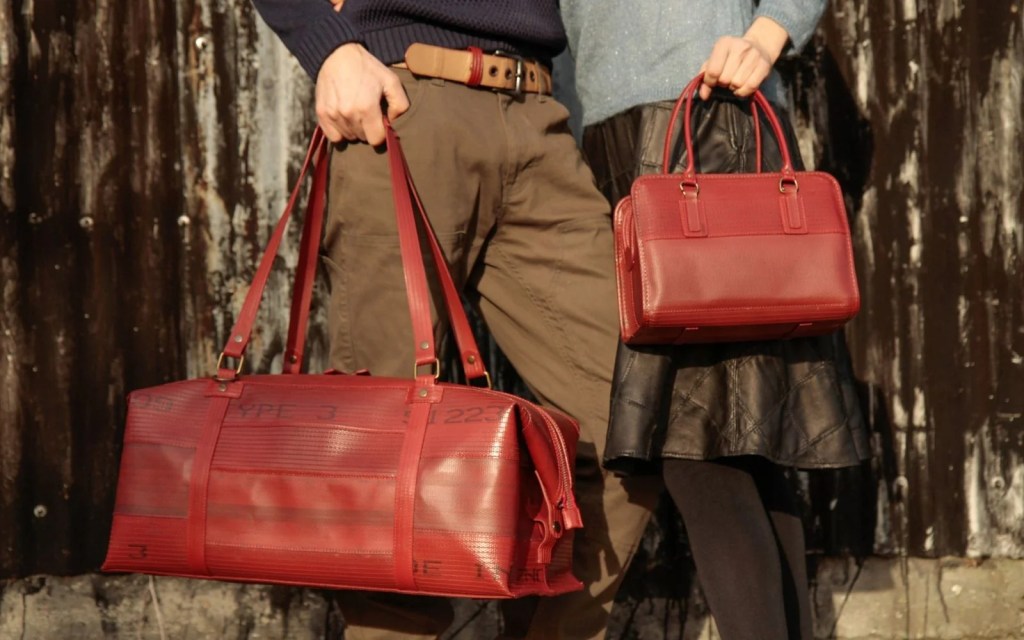
In 2026, sustainability is no longer a marketing message — it is a credibility test.
Consumers are no longer persuaded by abstract claims or green language. Instead, sustainability is being read through:
Longevity and durability
Repair and aftercare
Transparency around sourcing and craft
Restraint in production and growth
Discounting and overproduction are increasingly perceived not just as economic weakness, but as environmental and ethical failure. The rise of traceability tools and Digital Product Passports will further embed sustainability into the everyday experience of luxury — quietly, but decisively.
In short, sustainability now underpins trust.
The Human Reset
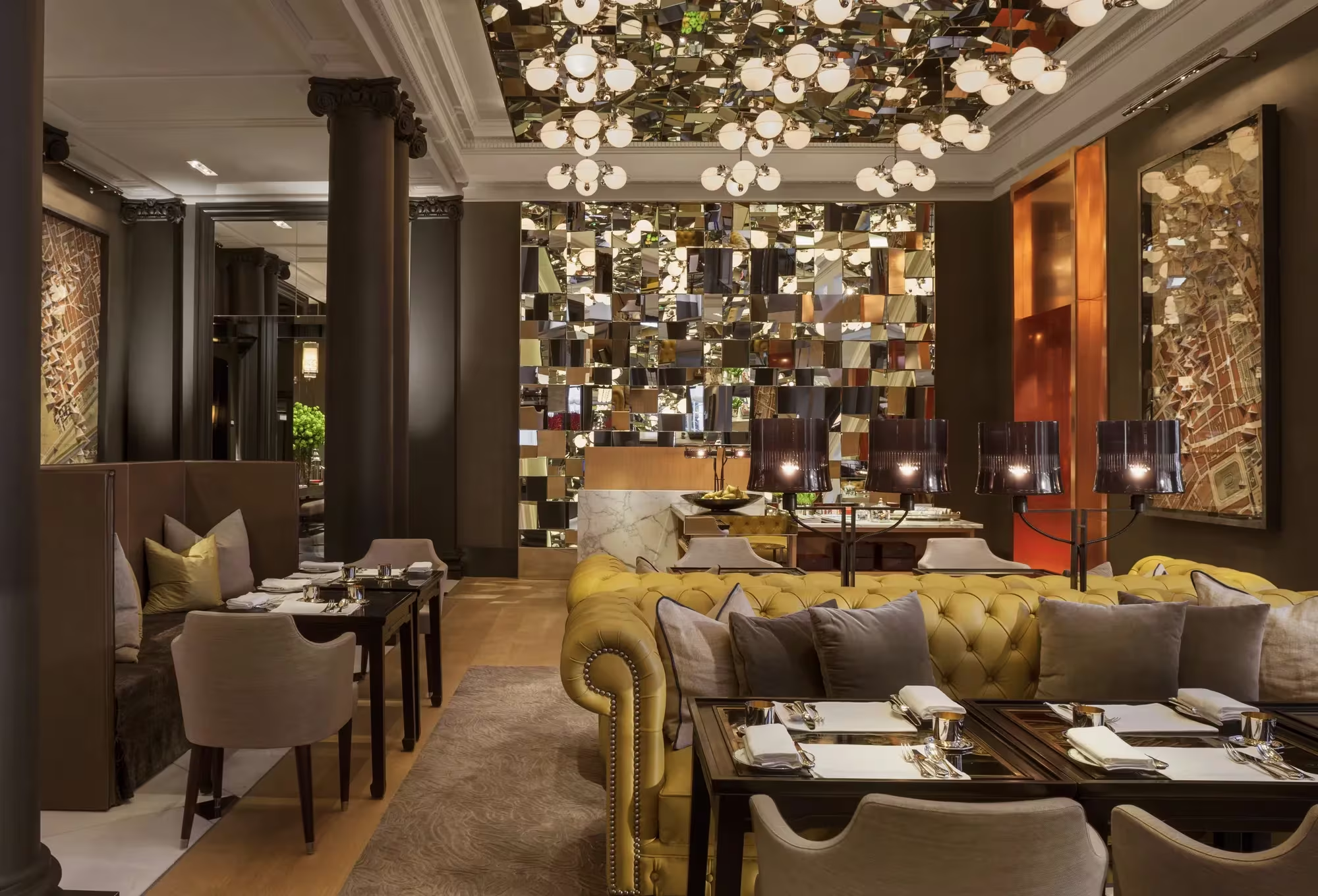
One of the clearest lessons moving into 2026 is this: luxury is relational, not transactional.
High prices alone no longer sustain the illusion of luxury. Across brands and destinations, poor service culture, indifferent staff experiences and transactional environments are breaking emotional connection.
Human sustainability is now inseparable from brand sustainability:
How craftspeople are supported
How service teams are trained and valued
How empathy and care are embedded into experiences
Luxury’s most powerful differentiator in 2026 is not product or price — it is how people are made to feel.
A Return to Expression — With Discipline
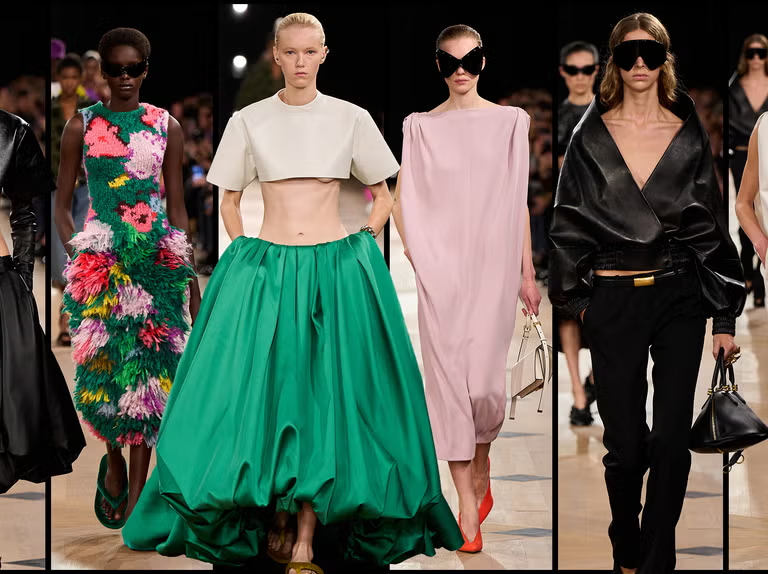
After years of muted palettes and “quiet luxury,” 2026 signals a return to confident colour and expression.
Runways point to:
Bold brights: fuchsia, red, electric green, turquoise
Jewel tones: emerald, teal, deep blue
Grounding neutrals: cocoa brown, amber, stone grey
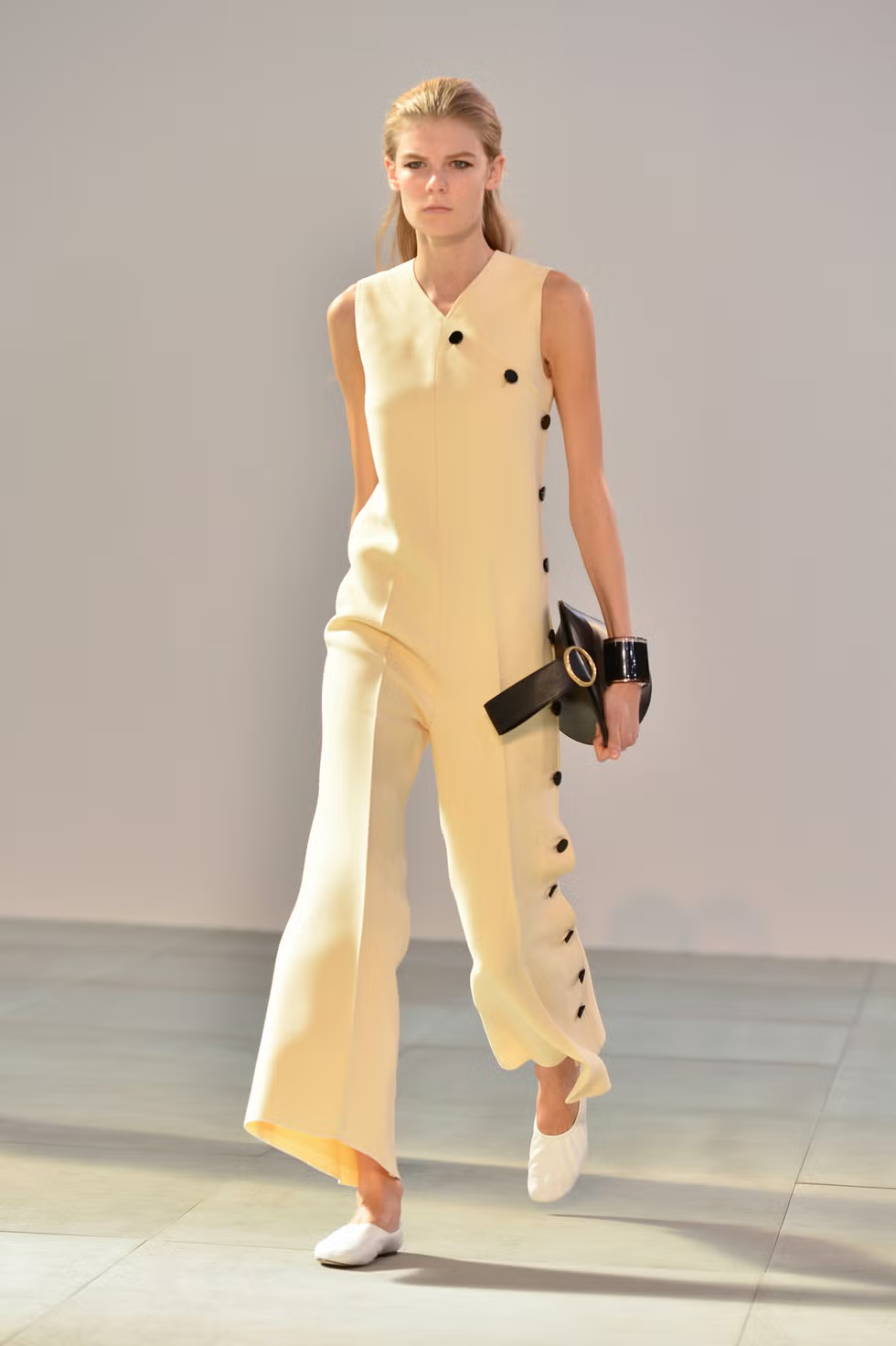
Calming counterpoints: creamy whites and soft pastels
This is not a return to excess for its own sake. Expression is welcomed — waste is not. Colour and creativity are being anchored in craftsmanship, quality materials and longevity. Boldness must now earn its place.
Experiences and “Deep Luxury”
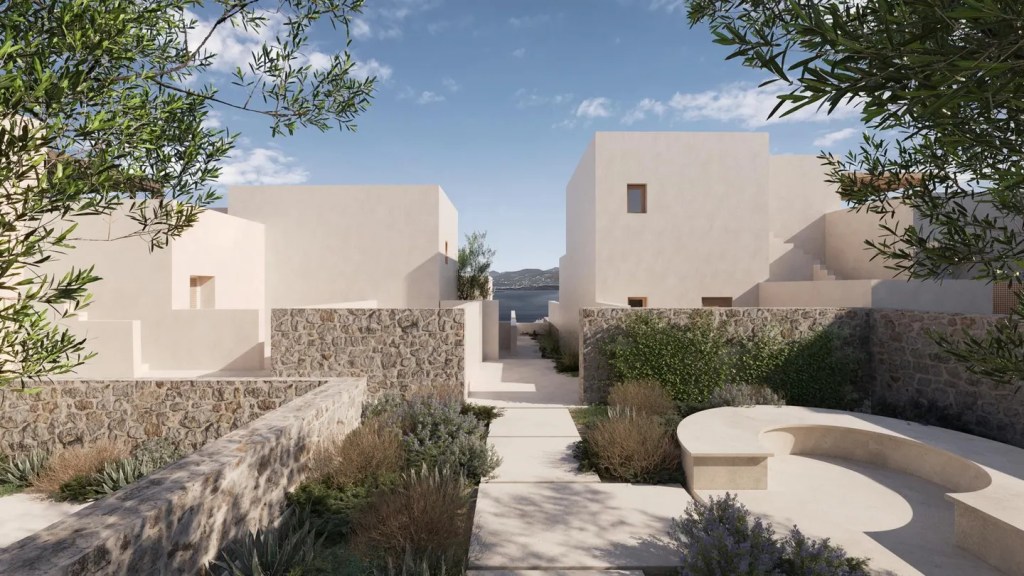
Experiences are no longer peripheral to luxury — they are central.
Growth is accelerating in:
Wellness-led hospitality
Restorative and slow travel
Conservation-focused experiences
Cultural immersion and learning
These forms of “deep luxury” offer high emotional value with lower material intensity. They rebuild aspiration without relying on overproduction, aligning economic resilience with environmental responsibility.
What This Means Going Forward
Luxury in 2026 is not about being louder, faster or bigger. It is about being:
More selective
More human
More transparent
More worth it
For brands, this means repairing the price–value relationship, investing in people, and treating sustainability as behaviour rather than branding.
For educators, it means preparing students for a sector defined by discipline, ethics, experience and emotional intelligence — not just growth.
Luxury’s future belongs to those who understand that endurance, not excess, is now the ultimate signal of value.

 Coney Luxury