The New Idea of Luxury: Wellbeing, Sport and the Quiet Status Economy

Luxury once announced itself loudly: engines, square footage, champagne corks. Today, it communicates in far subtler ways. Silence. Control. Precision. Presence.

In 2026, luxury is being redefined around a new set of valuesโ€”wellbeing, sport, and travelโ€”that together form a quiet but powerful status economy. This shift reflects a broader cultural recalibration: away from accumulation and towards alignment; away from display and towards performance; away from visibility and towards control.

What matters now is not what you own, but how you live, how you function, and how long you can sustain it.


From Possession to Alignment
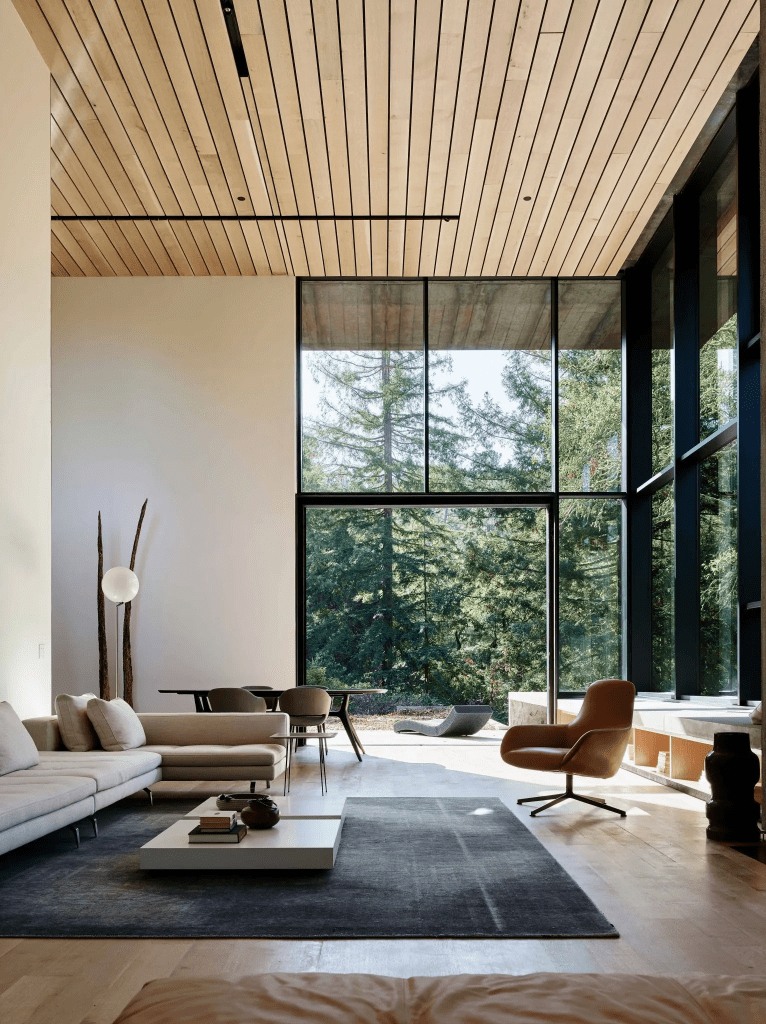
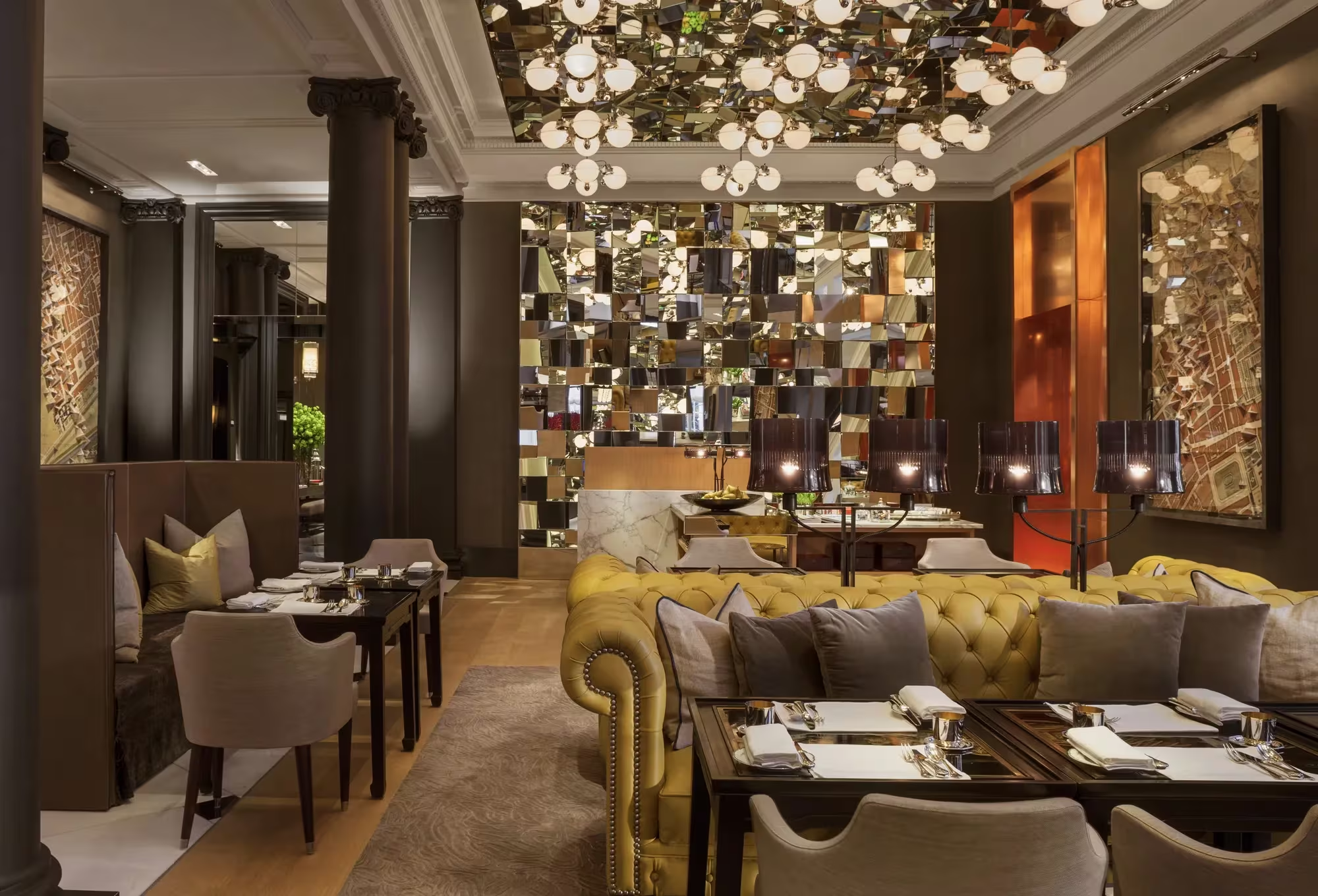
Margarita Bravo Luxury Minimalist Interior Design Ideas

Traditional luxury codesโ€”scarcity, craftsmanship, heritageโ€”havenโ€™t disappeared. But in a world of algorithmic exposure and instant replication, they are no longer sufficient on their own.

Luxury aesthetics can now be copied, distributed, and โ€œdupedโ€ at speed. What cannot be replicated so easily are experience, discipline, access, and embodied credibility. As a result, luxury has shifted from possession-based signalling to lifestyle-based alignment.

The most meaningful signals today communicate:

  • control over time and attention
  • mastery over the body and energy
  • access to environments that support performance and recovery
  • the ability to disconnect in a hyper-connected world

Luxury has become cultural capital expressed through how life is structured, not how wealth is displayed.


Wellbeing as a Status Signal
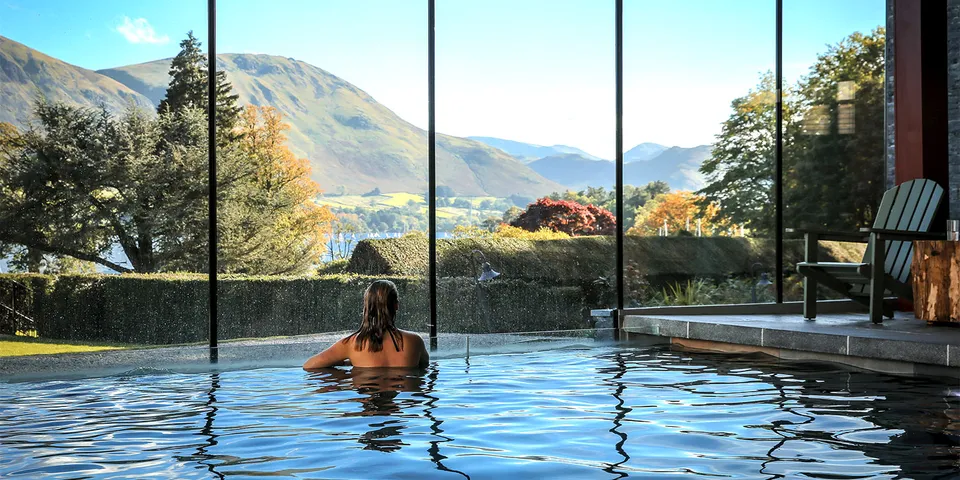
Another Place Spa Hotel, Lake District UK

Wellbeing has evolved from indulgence to infrastructure.

Sleep quality, recovery, nervous-system regulation, emotional balance and longevity markers are now quietly replacing overt wealth signals. When material needs are met, the highest form of luxury becomes the ability to function well, consistently, and over time.

This explains the rise of clinical wellness, longevity retreats, diagnostic-led health programmes and data-driven self-optimisation. Wellness today is less about pampering and more about precision. It is measurable, disciplined and deeply personal.

The modern luxury consumer no longer curates a lifestyle alone. They engineer a healthstyleโ€”one designed to protect clarity, energy and long-term performance.


Sport as Cultural Authority

Debbie Coney, ultra marathon running in Chamonix 2025

Sport has become one of the most powerful languages of modern luxury because it communicates values that cannot be faked: discipline, mastery, consistency and excellence.

In 2026, luxuryโ€™s relationship with sport has evolved far beyond sponsorship. Performance culture now informs how luxury is expressed across automotive, fashion, horology and lifestyle.

  • In automotive, luxury performance blends raw capability with composure. Speed matters, but control matters more.
  • In fashion, the boundary between athletic performance and high-end design has collapsed. Technical garments, movement, recovery and everyday performance are now central to luxury aesthetics.
  • In horology, sports watches remain dominant because they encode endurance, precision and a life lived in motion.

Sport signals a life organised around training, recovery and self-mastery. In an era of excess, discipline has become aspirational.


Travel as the Container for Transformation

Jordan Siemens / Getty Images

Luxury travel has shifted from destination-led to outcome-led.

The most valuable journeys today promise recalibration rather than escape:

  • better sleep
  • physical recovery
  • improved mental clarity
  • restored emotional balance

Travel has become the delivery system through which wellbeing and sport are activated. Retreats, training environments and recovery-focused destinations provide controlled conditions where transformation can occur.

As digital life accelerates, physical presence has become scarce. In that scarcity, travel reasserts its luxury function: to slow time, remove friction, and protect attention.


Privacy, Presence and the New Meaning of Exclusivity

General Wax, candle light ideas

In a culture dominated by visibility, privacy has become aspirational.

Luxury increasingly signals itself through:

  • invitation-only environments
  • small, trusted communities
  • high-touch, low-noise experiences
  • controlled access rather than mass exposure

Influence now travels quietly. Recommendations circulate in private. Cultural relevance is sustained through discernment rather than virality.

Luxury has not become quieter by accident. It has become quieter because quiet now signifies control.


The Emerging Luxury Hierarchy

Across wellbeing, sport and travel, a new hierarchy of value is taking shape:

  • Presence over performance online
  • Recovery over novelty
  • Longevity over accumulation
  • Discipline over display
  • Privacy over exposure

Luxury is no longer about excess. It is about precision.The future of luxury belongs to those who can design livesโ€”and experiencesโ€”that optimise how people live, move, rest and endure. In a hyperstimulated world, the ultimate indulgence is not more stimulation, but the ability to remain clear, calm and fully alive.

Luxury at a Turning Point: What 2025 Taught Us โ€” and What 2026 Demands

by Dr Debbie Coney

As we move into 2026, itโ€™s clear that luxury is not simply recovering from a difficult year โ€” it is redefining itself.

2025 marked a moment of reckoning for the sector. Around 20 million consumers stepped away from luxury, discounting became widespread, and price rises increasingly outpaced perceived value. What initially looked like a cyclical slowdown has revealed something deeper: a structural reset driven by shifting consumer values, fatigue with excess, and growing demands for authenticity and care.

Rather than signalling decline, this moment is opening space for a more disciplined, meaningful and human form of luxury.


From Excess to Authenticity: The 2025 โ€œAwakeningโ€

Six Senses Ibiza wellbeingescapes.com

Across fashion, hospitality and lifestyle, consumers are rejecting:

Logo-led status

Hype-driven launches

Visibility without substance

Instead, growth and resilience are emerging in areas where value can be felt and proven:

Experiences and hospitality

Jewellery and watches

Wellness and restorative travel

Auctions, where provenance and rarity are transparent

This shift reflects a broader erosion of trust โ€” not only in brands, but in institutions, media narratives and performative consumption. Luxuryโ€™s role as an aspiration engine is changing. Desire today is less about signalling wealth and more about signalling discernment.


Sustainability: From Storytelling to Proof

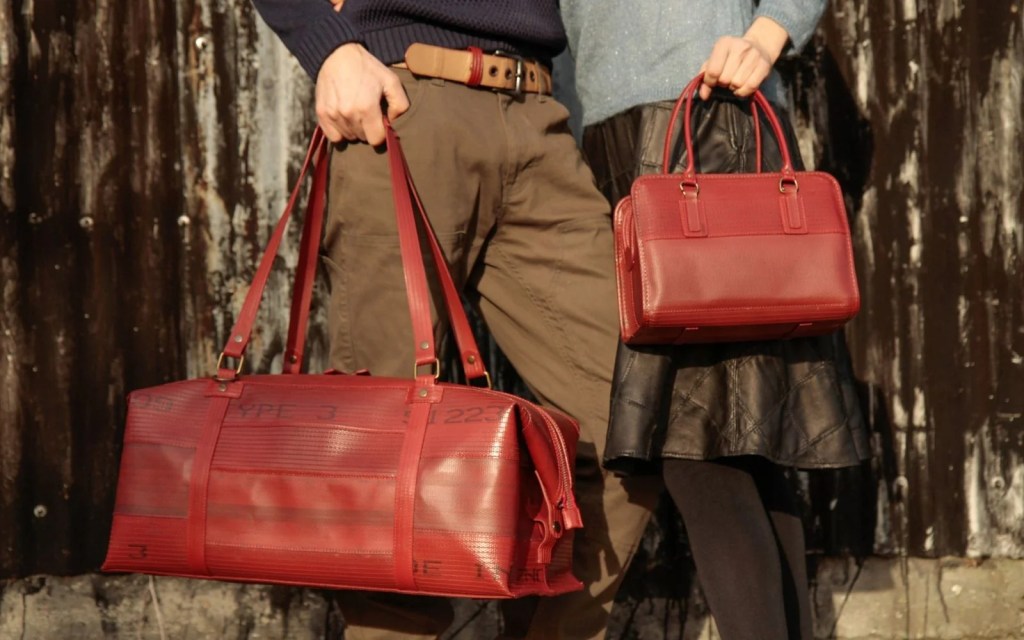
Elvis & Kresse THREE PILLARS – RESCUE, TRANSFORM, DONATE elvisandkresse.com

In 2026, sustainability is no longer a marketing message โ€” it is a credibility test.

Consumers are no longer persuaded by abstract claims or green language. Instead, sustainability is being read through:

Longevity and durability

Repair and aftercare

Transparency around sourcing and craft

Restraint in production and growth

Discounting and overproduction are increasingly perceived not just as economic weakness, but as environmental and ethical failure. The rise of traceability tools and Digital Product Passports will further embed sustainability into the everyday experience of luxury โ€” quietly, but decisively.

In short, sustainability now underpins trust.


The Human Reset

Rosewood London rosewoodhotels.com

One of the clearest lessons moving into 2026 is this: luxury is relational, not transactional.

High prices alone no longer sustain the illusion of luxury. Across brands and destinations, poor service culture, indifferent staff experiences and transactional environments are breaking emotional connection.

Human sustainability is now inseparable from brand sustainability:

How craftspeople are supported

How service teams are trained and valued

How empathy and care are embedded into experiences

Luxuryโ€™s most powerful differentiator in 2026 is not product or price โ€” it is how people are made to feel.


A Return to Expression โ€” With Discipline

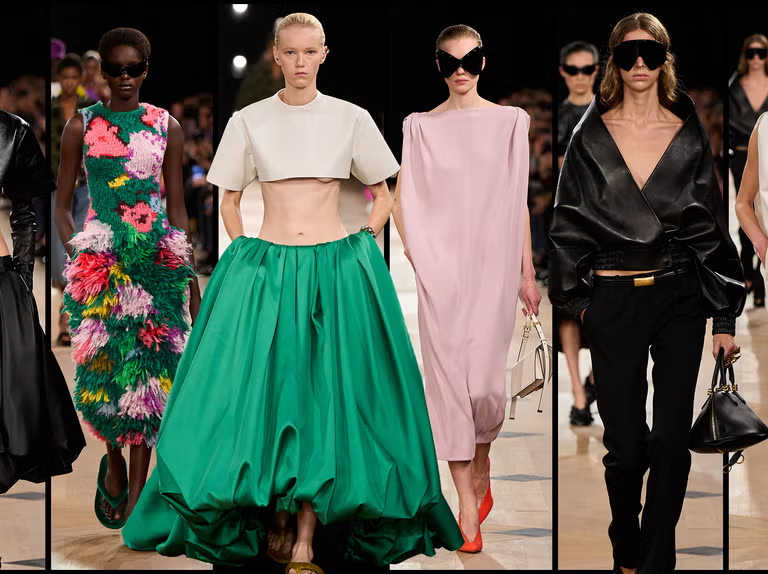
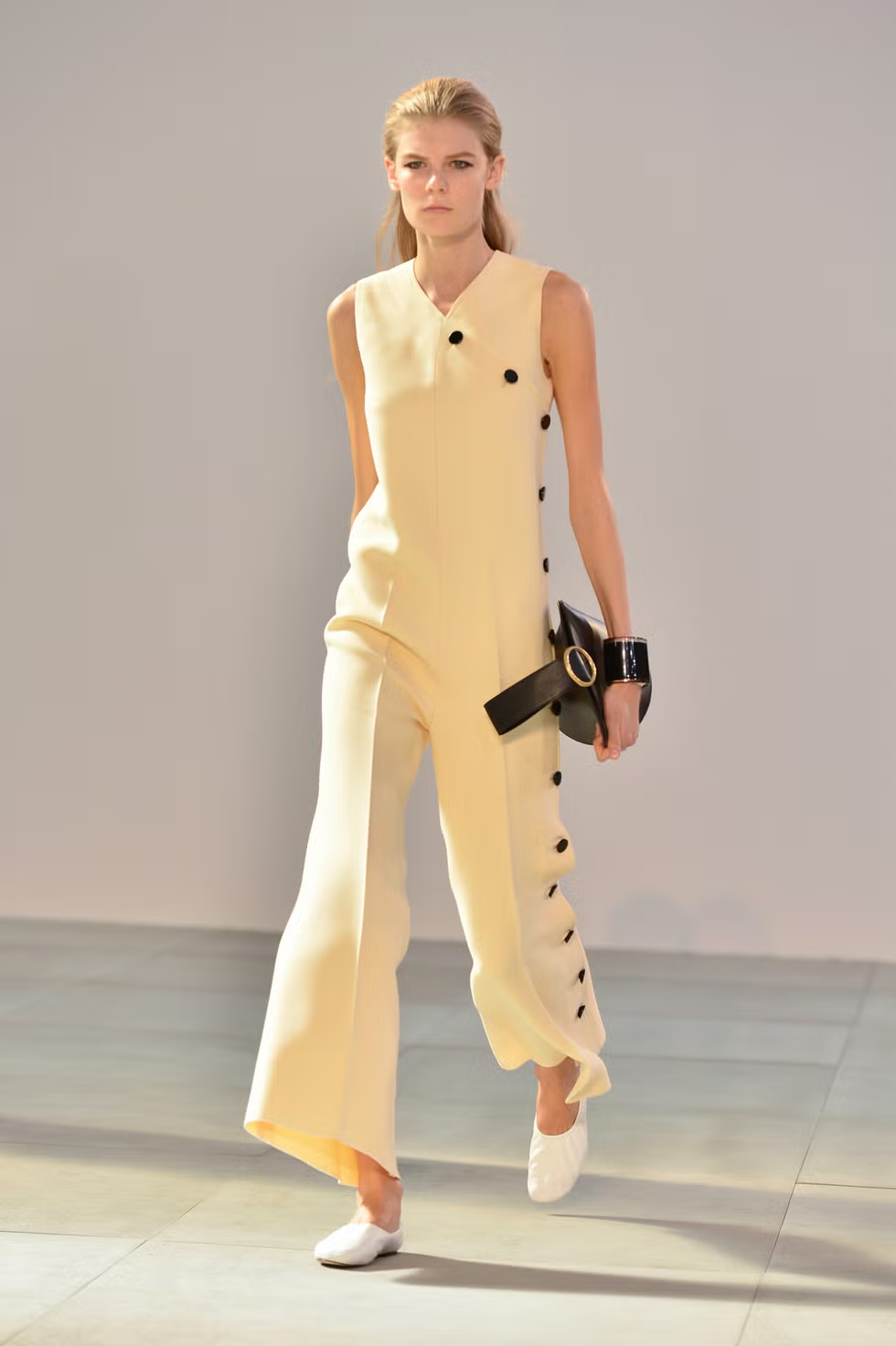
Balenciaga Runway SS 2026, Harpers BAZAAR

After years of muted palettes and โ€œquiet luxury,โ€ 2026 signals a return to confident colour and expression.

Runways point to:

Bold brights: fuchsia, red, electric green, turquoise

Jewel tones: emerald, teal, deep blue

Grounding neutrals: cocoa brown, amber, stone grey

Calming counterpoints: creamy whites and soft pastels

This is not a return to excess for its own sake. Expression is welcomed โ€” waste is not. Colour and creativity are being anchored in craftsmanship, quality materials and longevity. Boldness must now earn its place.


Experiences and โ€œDeep Luxuryโ€

Luura hotel launch, Luura Cliff, on the island of Paros, opens May 2026, Laurahotels.com

Experiences are no longer peripheral to luxury โ€” they are central.

Growth is accelerating in:

Wellness-led hospitality

Restorative and slow travel

Conservation-focused experiences

Cultural immersion and learning

These forms of โ€œdeep luxuryโ€ offer high emotional value with lower material intensity. They rebuild aspiration without relying on overproduction, aligning economic resilience with environmental responsibility.


What This Means Going Forward

Luxury in 2026 is not about being louder, faster or bigger. It is about being:

More selective

More human

More transparent

More worth it

For brands, this means repairing the priceโ€“value relationship, investing in people, and treating sustainability as behaviour rather than branding.
For educators, it means preparing students for a sector defined by discipline, ethics, experience and emotional intelligence โ€” not just growth.

Luxuryโ€™s future belongs to those who understand that endurance, not excess, is now the ultimate signal of value.

Blending Heritage and Innovation: How Technology is Rewriting Luxury

By Dr Debbie Coney

Luxury has always been defined by tension โ€” between past and present, craft and innovation, heritage and reinvention. Nowhere is this more visible than in the evolving relationship between luxury and technology. Far from being opposites, these two forces are increasingly intertwined, shaping how we experience, value, and understand luxury.

NFTs and Digital Ownership

NFTs (non-fungible tokens) are unique digital certificates stored on the blockchain, verifying ownership and authenticity of a digital asset. In luxury, NFTs have moved beyond hype to offer new ways to express identity and collect rarity. From digital artworks to virtual handbags, NFTs challenge our notions of what constitutes a โ€œluxury objectโ€ by proving that scarcity and status can exist purely in digital form.

Take Gucciโ€™s Roblox Dionysus bag, which famously sold for more than its real-life counterpart. This wasnโ€™t about materials or craftsmanship โ€” it was about digital visibility, community status, and cultural capital in a virtual world. For Gen Z and beyond, owning luxury isnโ€™t limited to the physical.

GUCCI TOWN ON ROBLOX

Blockchain and Trust

If NFTs are the front end of digital luxury, blockchain is the infrastructure. A blockchain is a secure, decentralised digital ledger that canโ€™t be altered โ€” making it ideal for proving authenticity and provenance. Rolex has adopted blockchain-backed digital certificates for its watches, replacing paper documents that were easy to forge. Now, each watch comes with a permanent digital record, protecting both heritage and investment value.

Blockchain doesnโ€™t replace the watchmakerโ€™s art โ€” it supports credibility, integrity, symbolism, and continuity, all central pillars of luxury.

AI and Personalisation

Artificial intelligence is increasingly embedded in luxury service, particularly in personalisation and recommendation. Moรซt Hennessy, for example, has experimented with AI wine-pairing tools that analyse flavour profiles and suggest perfect matches in seconds. This technology doesnโ€™t replace the sommelierโ€™s ritual โ€” it enhances the experience, making luxury more tailored without losing its emotional core.

MOร‹T IMPร‰RIAL – TASTING NOTES, MOET.COM

Rolls-Royce: Craft Meets Code

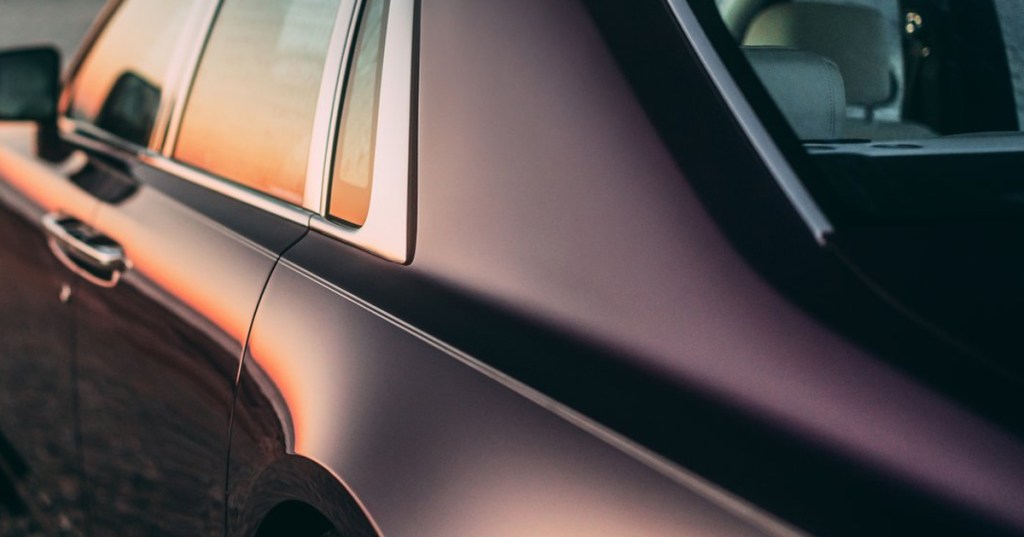
Luxuryโ€™s most compelling examples lie in the blend, not the binary. Consider Rolls-Royce: every car still features a hand-painted coachline, applied freehand by a single artisan using a brush made from ox hair โ€” a symbol of patience and mastery. Yet the same vehicle is equipped with some of the most advanced AI-assisted driving systems in the world. Craft and code exist side by side, each enhancing the other.

ROLLS ROYCE COACHLINE, ROLLS ROYCE PRESS CLUB

Generational Shifts

Different generations experience luxury technology in different ways.

The Future: Human Touch in a Tech World

The future of luxury isnโ€™t about choosing between tradition and innovation โ€” itโ€™s about blending them intelligently. Technology should be judged by how well it preserves luxuryโ€™s core values: credibility, integrity, symbolism, and continuity.

  • Rolls-Royce is embracing electric vehicles while maintaining hand-finished interiors.
  • Hennessy uses NFTs to secure rare Cognacs without diminishing ritual.
  • Cartier digitises archives while preserving boutique storytelling.

Tomorrowโ€™s exclusivity will be less about owning physical objects and more about accessing hybrid experiences that are personal, immersive, and anchored in heritage.


Final Thoughts

Luxury and technology are no longer separate domains. As blockchain secures heritage, AI personalises experiences, and digital worlds create new spaces for identity, luxury must evolve without losing its soul. The brands that thrive will be those that use technology not as a gimmick, but as a tool to deepen meaning, storytelling, and emotional connection.

The Future of Silent Luxury and the Evolving Expectations of the Modern Luxury Consumer

In an era of economic volatility, cultural introspection, and rapid digital change, a quieter form of luxury is gaining prominence. Once a niche aesthetic reserved for insiders, silent luxury has become a powerful cultural and commercial forceโ€”defined by discretion, restraint, heritage craftsmanship, and ethical integrity.

My recent investigation into the evolution of silent luxury explores how this subtle, logo-free approach is reshaping brand strategies and consumer expectations. Drawing on case studies includingย The Row,ย Gabriela Hearst, andย Old Cรฉline, the analysis reveals that silent luxury is not simply about muted design, but a broader ideological shift towards authenticity, sustainability, and identity-based consumption.

Rosie Huntington-Whiteley, captured on British Vogue, wearing the stomper boot.

What Defines Silent Luxury Today?

Silent luxury reflects a generational rejection of ostentation. Modern luxury consumersโ€”particularly Gen Z and Millennials, who are set to dominate luxury spending by 2030โ€”seek brands that align with their values. They demand purpose, emotional resonance, and discretion. Logo-free garments, muted palettes, and minimalist silhouettes have become new indicators of status, where cultural capital replaces conspicuous wealth.

As Bourdieu’s theory of distinction suggests, cultural literacy and taste are the new signifiers of status. Silent luxury appeals to those who wish to communicate “insider knowledge” rather than loud recognition.ย Brands like The Row, with their no-logo policy and timeless tailoring, turn understatement into aspiration.

Strategic Responses: Case Studies in Practice

  • The Rowย adopts silent marketing by foregoing advertising and embracing scarcity. It communicates excellence through elevated materials, selective distribution, and an intimate, tactile retail experience.
  • Gabriela Hearstย embodies sustainability-led silent luxury, using deadstock fabrics, ethical partnerships, and innovation to build a quiet, responsible brand.
  • Old Cรฉline, under Phoebe Philo, cultivated a cult following through intellectual minimalism. Today, her pieces hold resale value, proving that discretion creates long-term cultural equity.
STEPHANE CARDINALE – CORBIS//GETTY IMAGES

The Silent Luxury Strategy Mapping Framework

The research led to the creation of a strategic framework based on four pillars:

  1. Minimalist Expression
  2. Ethical Depth
  3. Cultural Signalling
  4. Selective Availability

Brands that perform strongly in two or three of these areas tend to achieve authenticity and long-term appeal. Overextension across all four often results in dilution. Silent luxury thrives on coherence, not coverage.

The Road Ahead

Silent luxury is not the only future of luxury, but its rise reflects powerful cultural drivers that are here to stay: authenticity, sustainability, cultural capital, and emotional value. Brands that wish to remain relevant must act deliberately. Whether they embrace silence or not, future luxury will be defined not by volume or spectacle, but by meaning, restraint, and trust.

To survive the shifting tides of modern consumption, brands must ask: What do we stand for? And can we express thatโ€”quietly?

Pop-Up Prestige: How Ephemeral Spaces Are Reimagining Luxury Retail

Dr Debbie Coney

Iโ€™ve long been fascinated by the emotional, cultural, and symbolic power of luxury spacesโ€”from the stillness of a high-end boutique to the transience of an airport terminal. My doctoral work explored the airport as a luxury space, where shopping becomes fleeting, ritualised, liminal, and laden with meaning. That research sparked an enduring interest in how luxury is shaped not just by what we buy, but wherehow, and when we encounter it.

Over time, my research has extended further into the world of temporary luxury spacesโ€”those designed to exist only briefly but leave lasting impressions. This piece explores how these ephemeral formatsโ€”from pop-ups to immersive brand installationsโ€”are transforming the way luxury is defined, delivered, and experienced in todayโ€™s culture of immediacy.

Why Ephemerality Matters

Luxury has long been anchored in permanence: flagship stores, heritage buildings, and legacy ateliers. But in a saturated, hyper-connected landscape, whatโ€™s fleeting now holds prestige. Ephemeral retail spacesโ€”temporary, highly curated environmentsโ€”are no longer just experimental. Theyโ€™ve become strategic tools for brands seeking to create symbolic scarcity and spatial storytelling.

Theyโ€™re not simply about selling product. Theyโ€™re about staging myth.

Case Study: Jacquemus โ€“ The 24/24 Boutique

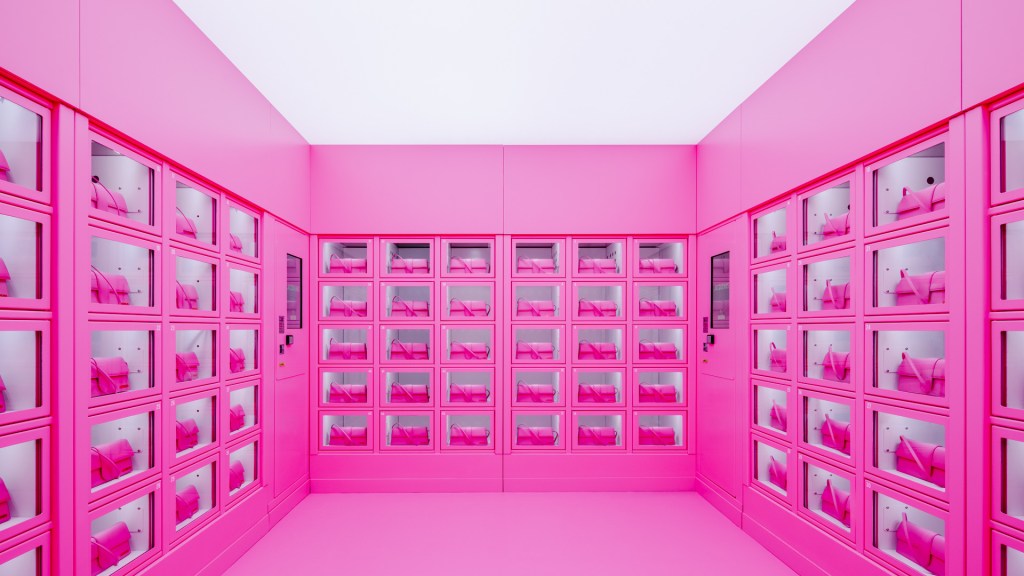
In Paris, Milan, and London, Jacquemusโ€™ 24/24 pop-up boutiques appeared as vending-machine-style installationsโ€”open 24 hours a day, but only for three days. These pastel-toned micro-boutiques featured minimal human interaction, limited inventory, and high shareability.

What fascinated me was the way Jacquemus used absence as a form of luxury. No staff. No furniture. Just product, light, and atmosphere. The interaction became the experience. The scarcity was spatial and temporalโ€”not just about stock, but about timing.

It was a perfect example of ritual without permanence, and proof that luxury doesnโ€™t need four walls and a lease to leave an impact.

Case Study: Louis Vuitton x Takashi Murakami (2025)

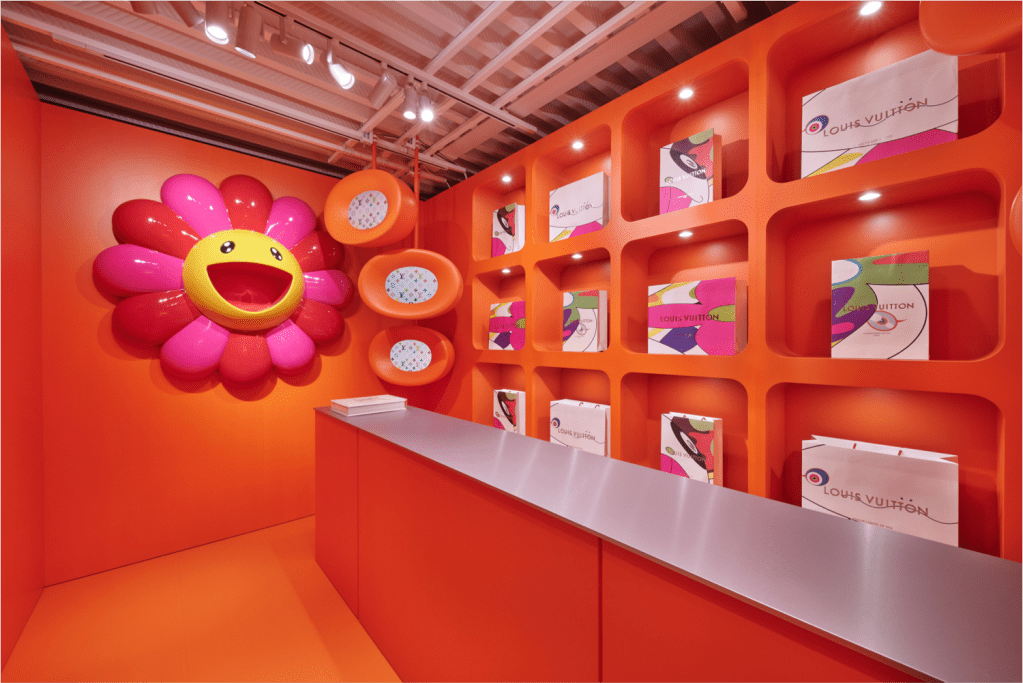
Two decades after their original collaboration, Louis Vuitton and Takashi Murakami launched a global pop-up tour, with Tokyoโ€™s Harajuku district as its anchor. The space fused high fashion and pop culture: gacha machines, limited-run products, an animated short film, and a Murakami-branded cafรฉ.

What stood out wasnโ€™t just the volume of contentโ€”it was the precision of cultural placement. The space referenced capsule hotels, vending culture, and anime storytelling, making it not just a retail site but a cultural activation.

This was ephemeral luxury at its most sophisticated: immersive, playful, and hyper-contextual.

What Ephemeral Spaces Offer Luxury Brands

Through this continued line of research, Iโ€™ve come to understand ephemeral retail as more than just a marketing tactic. These spaces serve multiple strategic and symbolic functions:

Cultural Localisation โ€“ connecting global brands with local stories

Symbolic Scarcity โ€“ creating more desire by limiting time

Retail as Performance โ€“ turning shopping into an entertaining experience

High Return on Experience (ROX) โ€“ getting the most effect with the least effort

Social Amplification โ€“ designed to go viral, not just attract visitors

These activations allow brands to remain agile, relevant, and emotionally resonantโ€”especially with younger, experience-driven audiences who value moments over materials.

Final Thoughts

The spaces we shop in are never neutral. They shape emotion, memory, and meaningโ€”especially in luxury. Today, weโ€™re seeing a shift: from the permanence of prestige to the luxury of the moment.

Ephemeral spaces are not a departure from luxuryโ€™s DNA. Theyโ€™re an evolutionโ€”rooted in narrative, exclusivity, and immersion. In an era that often equates value with endurance, luxuryโ€™s power may lie in being intentionally fleetingโ€”but able to leave a memorable moment.

Reshaping How Luxury Brands Protect Their Value: Intellectual Property in the Digital Age

By Dr. Debbie Coney Pinder

As luxury brands navigate an increasingly digital world, one question is becoming impossible to ignore:
How do you protect brand value when your most iconic products and trademarks are being replicated, resold, or reimagined in virtual environments beyond your control?

Why is this so significant?

Luxury has always been about controlโ€”of image, craftsmanship, scarcity, and storytelling. But digital transformation has radically altered the landscape. Today, a luxury handbag or a limited-edition sneaker can exist not only in physical boutiques, but as NFTs, virtual assets, and 3D replicas in spaces like the metaverse or online resale platforms.

This shift has exposed serious gaps in how brands protect their intellectual property. IP lawโ€”designed for tangible goodsโ€”is struggling to keep pace with new forms of digital ownership, counterfeit risk, and decentralised commerce.

Example cases:

Hermรจs v. Rothschild โ€“ MetaBirkins and NFTs

When an artist launched digital “MetaBirkin” NFTs, mimicking Hermรจsโ€™ most exclusive handbag, the luxury house took legal action. The jury sided with Hermรจs, reinforcing that trademark protection applies even in virtual spaces. This case set a precedent: brand equity extends beyond the physical product.

Nike v. StockX โ€“ Resale Rights & Digital Ownership

Nike’s dispute with StockX over NFT-linked sneakers opened complex debates around the first-sale doctrine, fair use, and whether a digital asset is just a “receipt” or an entirely new product. The case is ongoingโ€”but it underscores how digital commerce blurs legal boundaries.

Image: A Glam Lifestyle Blog, Chanel Handbag Review

Chanel v. WGACA โ€“ Authenticity in the Resale Market

Chanel won $4 million in damages against a reseller accused of selling counterfeit or misrepresented goods. The case reinforces that authenticity is non-negotiable for luxury brandsโ€”and resale platforms must meet the same standards of trust.

The Bigger Picture

These cases are more than legal disputes. They reflect a much larger challenge:

How can luxury brands maintain consumer trust, narrative integrity, and product exclusivity in an era of instant duplication and digital decentralisation?

There are four key insights which emerge from this research:

  1. IP law is being stretchedโ€”but it still matters.
    Courts are adapting, but slowly. Brands canโ€™t wait. They must be proactive, not reactive.
  2. Consumer trust hinges on authenticity.
    Whether itโ€™s a physical Chanel bag or a virtual Birkin NFT, consumers need clear signals that what theyโ€™re buying is realโ€”and endorsed.
  3. Technology can be a tool, not a threat.
    From blockchain-based verification to brand-issued NFTs, luxury houses are exploringย digital solutionsย to reinforce value and identity.
  4. Legal protection must be paired with strategic innovation.
    Hermรจs is developing its own digital presence. Nike has acquired digital-native brands like RTFKT. Chanel continues to refine its authentication standards. This is not about resisting the futureโ€”it’s aboutย reshaping it on brand terms.

Final Thoughts

Luxury has always evolvedโ€”quietly, cautiously, but deliberately. In the digital age, the rules of brand protection are being rewritten.

As a luxury academic and consultant, my view is clear:

Intellectual property is no longer just a legal concernโ€”it is a strategic imperative.

The brands that thrive in Web3, the metaverse, and beyond will be those that treat IP not as a defence, but as a foundation for storytelling, innovation, and trust.

To learn more, please contact me directly.
A podcast episode discussing this research will be released soon viaย The Thing About Luxury.
#DigitalLuxury #NFTs #BrandProtection #IPLaw #LuxuryInnovation

The Thing About Luxury

Hosted by Dr. Debbie Coney Pinder

Welcome to The Thing About Luxury, a podcast that delves into the evolving world of luxuryโ€”its icons, innovations, and the individuals redefining its boundaries.

I am Dr. Debbie Coney Pinder, a luxury brand specialist, academic, and consultant with a deep-seated passion for the narratives that shape the luxury landscape. As the Programme Leader for the MA in Luxury Brand Management at the University of Southampton and founder of Coney Luxury, I’ve dedicated my career to exploring the nuances of luxury branding, consumer behavior, and experiential design.

Each episode features candid conversations with entrepreneurs, industry leaders, and visionaries who offer unique insights into what luxury means today. From the intricacies of brand storytelling to the challenges of sustainability and digital transformation, we uncover the layers that make luxury both timeless and ever-changing.

Whether you’re a seasoned professional or simply intrigued by the allure of luxury, this podcast invites you to explore its many facets with curiosity and critical thought.

๐ŸŽงย New episodes released monthly.
Subscribe onย Spotify

Sustainable Luxury in Aviation: The Future of Green Travel

In todayโ€™s world, where sustainability and luxury are no longer opposing forces but rather complementary ideals, the aviation industry is undergoing a remarkable transformation. Luxury brands, airports, and airlines are adapting to eco-conscious consumer expectations by integrating sustainable practices into their operations. From energy-efficient airport terminals to carbon-neutral flights, sustainability is reshaping the future of luxury travel.

Jewel’s ‘rain vortex’ is its indoor waterfall.  Credit: changi airport

The Rise of Sustainable Luxury in Airports

Modern travellers seek more than just exclusivity and indulgence; they demand responsible luxury. This shift is evident in airports worldwide, which are evolving into hubs of sustainability while maintaining their opulence. Leading airports such as Singapore Changi, Zurich, and Hamad International are pioneering LEED-certified architecture, renewable energy integration, and sustainable retail experiences.

Luxury brands operating within these spaces are also stepping up their green initiatives. High-end boutiques at airports are adopting eco-friendly store designs, utilizing sustainable materials in interiors, and offering circular economy initiatives, such as product take-back programs and repair services. This fusion of luxury and environmental responsibility is redefining the airport retail experience.

Eco-Conscious Design & Architecture in Airports

Sustainability in airports begins with their architectural design. The integration of energy-efficient materials, biophilic design elements, and carbon-neutral construction ensures that airports align with global sustainability goals. Changi Airport’s Jewel, with its indoor gardens and waterfall installations, is a prime example of how airports can blend luxury with nature to create a serene travel experience. Furthermore, airports are actively implementing smart energy systems, AI-driven lighting and climate control, and solar power solutions to reduce their carbon footprint. The electrification of ground support vehicles and sustainable aviation fuel (SAF) initiatives are making airport operations significantly greener.

Luxury Brands Leading Sustainable Innovation in Aviation

Luxury brands are leveraging airports as key platforms to showcase their commitment to sustainability. Major players like Hermรจs, Gucci, and Stella McCartney are pioneering eco-friendly fashion, cruelty-free leather alternatives, and sustainable packaging in their airport stores.

  • Hermรจs introduced its mycelium-based Victoria bag, demonstrating how brands can merge luxury craftsmanship with sustainable materials.
  • Gucci’s Off The Grid collection features recycled and bio-based materials, reinforcing circular economy principles.
  • LVMH and Cartier utilize blockchain technology to ensure transparency in sourcing and authenticity of sustainable materials.

Luxury airport-exclusive collections are also evolving to reflect the demand for ethically sourced, eco-conscious products.

Sustainable Luxury Lounges: The Future of Travel Comfort

Luxury airport lounges are undergoing a sustainable transformation without compromising their premium experience. The next generation of airport lounges features:

  • Locally sourced, organic gourmet cuisine
  • Plastic-free operations and waste reduction initiatives
  • Carbon-neutral lounges powered by renewable energy
  • Wellness experiences with organic, cruelty-free spa treatments

Brands and airports are aligning their sustainability strategies to create a greener, more luxurious travel environment.

The Future of Sustainable Luxury in Aviation

The fusion of luxury and sustainability in aviation is no longer an optionโ€”it is an expectation. As airports and luxury brands continue to innovate, we can anticipate smarter, more eco-conscious retail spaces, experiential brand storytelling, and seamless digital sustainability engagement for travellers.

The future of luxury travel is clearโ€”conscious, exclusive, and sustainable.

Will you be part of this eco-luxury movement on your next journey?

Luxury & running

Listen to Debbie’s latest discussion on luxury & running

BBC RADIO 4 โ€“ YOU & YOURS! 

https://www.bbc.co.uk/programmes/m001kwv8

Is luxury running a thing? Thereโ€™s a new 120 mile race where the competitors get Michelin-starred food and a sauna to help their recovery. Debbie chats to Sharli Vahl (Radio 4 host) and Kate Carter (running journalist) about the idea of luxury in ultra marathons.

The physical luxury store: finding wellness within

Even though the online world has been accelerating at incredible speed as a result of rolling pandemic lockdowns, the role of the physical bricks a mortar store retains its significance.

Luxury interiors with wellbeing spaces (source: iStock photos)

Primarily, the physical store offers an escape into a brands ethos. The physical space is an opportunity to tell the brands unique story through imaginative installations, rich materials, and sustainable and wellness philosophies. Therefore, the store offers a holistic experience though physical details which a one-dimensional Instagram page cannot achieve.


โ€œItโ€™s about the language and the landscape your product lives in; the packaging, the entertainment, circus, the education โ€“ all those things encompassed. You look at all the great brands that succeed today โ€“ they have storytelling elements. They draw the consumer in to be the creative heartbeat.โ€

The luxury fragrance and wellness expert, Jo Malone.


Within today’s restrictions, and in-line with social distancing and no touch displays, physical experiences can be touchless and tactile by embracing design and creating ambiance. Imagine voice activated and feature restorative interactive visuals projected on walls, and audio content, combined with relaxing scents, and natural plant displays, which immerse the customer in a central eco-holistic experience. Furthermore, strategies must be in place to cater for customer anxiety over entering the physical store. For example, luxury brand stores must offer exceptional services, exclusive products and personalisation to appeal to reluctant shoppers. Secondly, stores now have to promote their health protection measures and create store interiors which are relaxing, minimal and are obviously hygienic, in addition to allowing space for social distancing within the stores. This also means offering appointments to customers to cater for space-sharing anxiety.

Thirdly, luxury brand stores should consider online shopping facilities and โ€˜click and collectโ€™ opportunities for customers with anxiety over entering the store space. Finally, luxury brands must include technology to attract and retain customers. For example, where customers are still concerned about entering into the physical store space, luxury brands must find a way of engaging these consumers online, or through augmented or virtual reality inside or exterior of the store, to encourage them to engage in the products and services. The use of technology is also required in a contactless journey within the store, such as contactless payments to comply with health and safety measures.

Minimalist, eco luxury interiors will attract reluctant consumers (source: iStock photos)

Therefore, luxury retail needs to invest in innovation and work towards perfecting the customer experience, because customers want a calming and friendly environment within which they can explore and be immersed in the heart of the brand. According to a 2020 PWC Customer Experience Survey, 73% of customers say a good experience creates brand loyalty.


As luxury consumers become tired of restrictions and one-dimensional shopping experiences, they will return to the physical store as a place to escape and find healing in their own wellbeing.