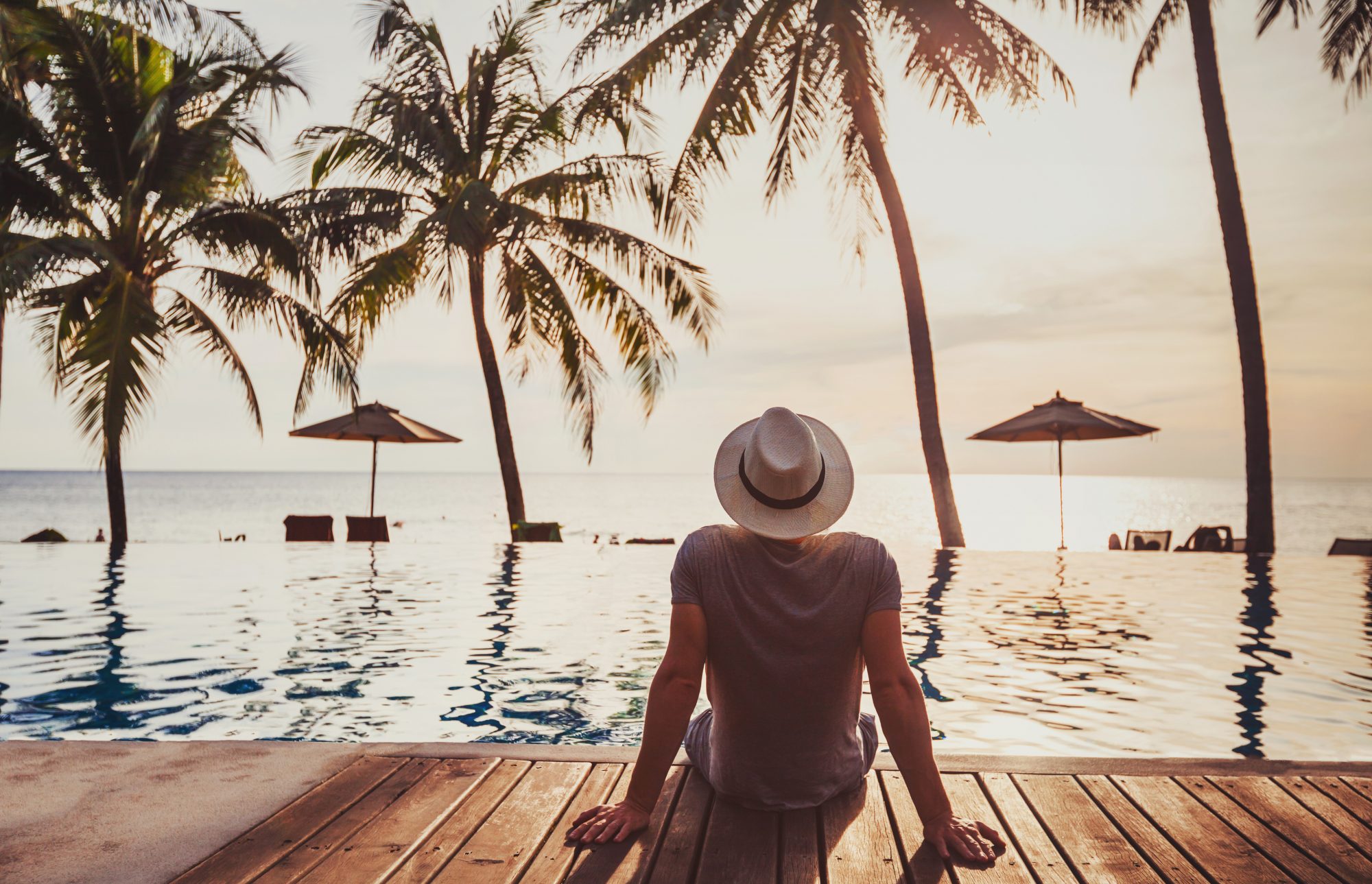
Luxury once announced itself loudly: engines, square footage, champagne corks. Today, it communicates in far subtler ways. Silence. Control. Precision. Presence.
In 2026, luxury is being redefined around a new set of values—wellbeing, sport, and travel—that together form a quiet but powerful status economy. This shift reflects a broader cultural recalibration: away from accumulation and towards alignment; away from display and towards performance; away from visibility and towards control.
What matters now is not what you own, but how you live, how you function, and how long you can sustain it.
From Possession to Alignment
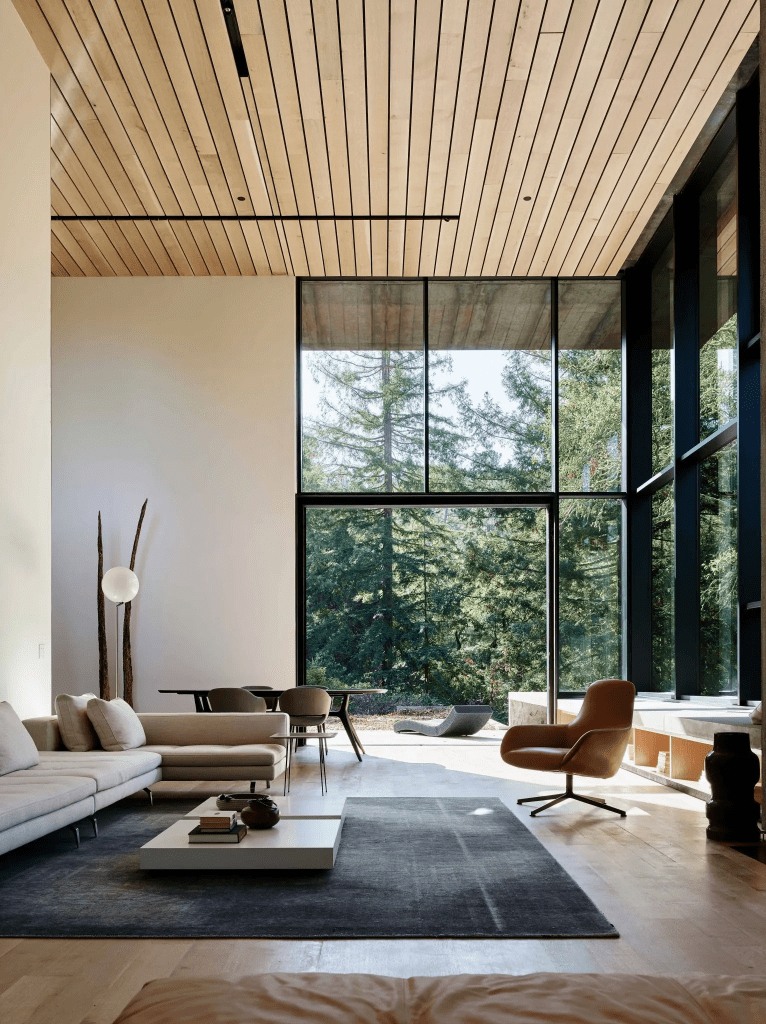
Traditional luxury codes—scarcity, craftsmanship, heritage—haven’t disappeared. But in a world of algorithmic exposure and instant replication, they are no longer sufficient on their own.
Luxury aesthetics can now be copied, distributed, and “duped” at speed. What cannot be replicated so easily are experience, discipline, access, and embodied credibility. As a result, luxury has shifted from possession-based signalling to lifestyle-based alignment.
The most meaningful signals today communicate:
- control over time and attention
- mastery over the body and energy
- access to environments that support performance and recovery
- the ability to disconnect in a hyper-connected world
Luxury has become cultural capital expressed through how life is structured, not how wealth is displayed.
Wellbeing as a Status Signal
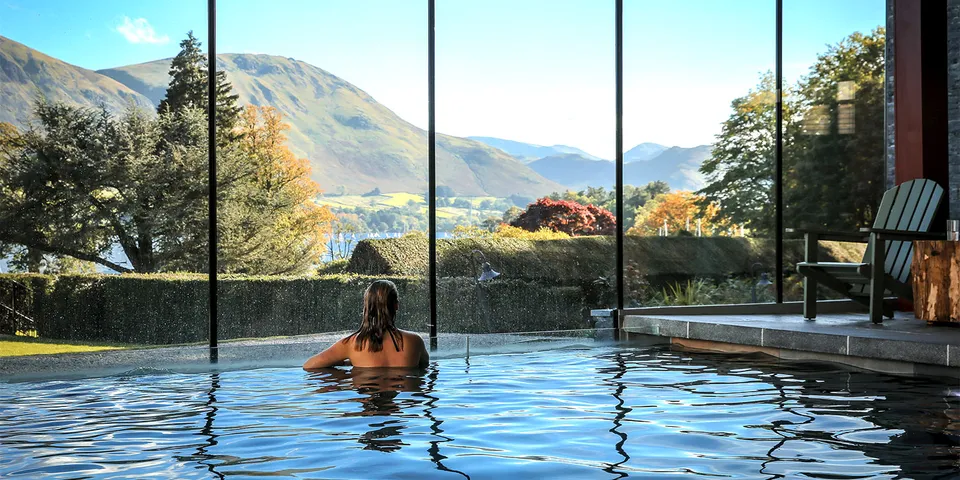
Wellbeing has evolved from indulgence to infrastructure.
Sleep quality, recovery, nervous-system regulation, emotional balance and longevity markers are now quietly replacing overt wealth signals. When material needs are met, the highest form of luxury becomes the ability to function well, consistently, and over time.
This explains the rise of clinical wellness, longevity retreats, diagnostic-led health programmes and data-driven self-optimisation. Wellness today is less about pampering and more about precision. It is measurable, disciplined and deeply personal.
The modern luxury consumer no longer curates a lifestyle alone. They engineer a healthstyle—one designed to protect clarity, energy and long-term performance.
Sport as Cultural Authority
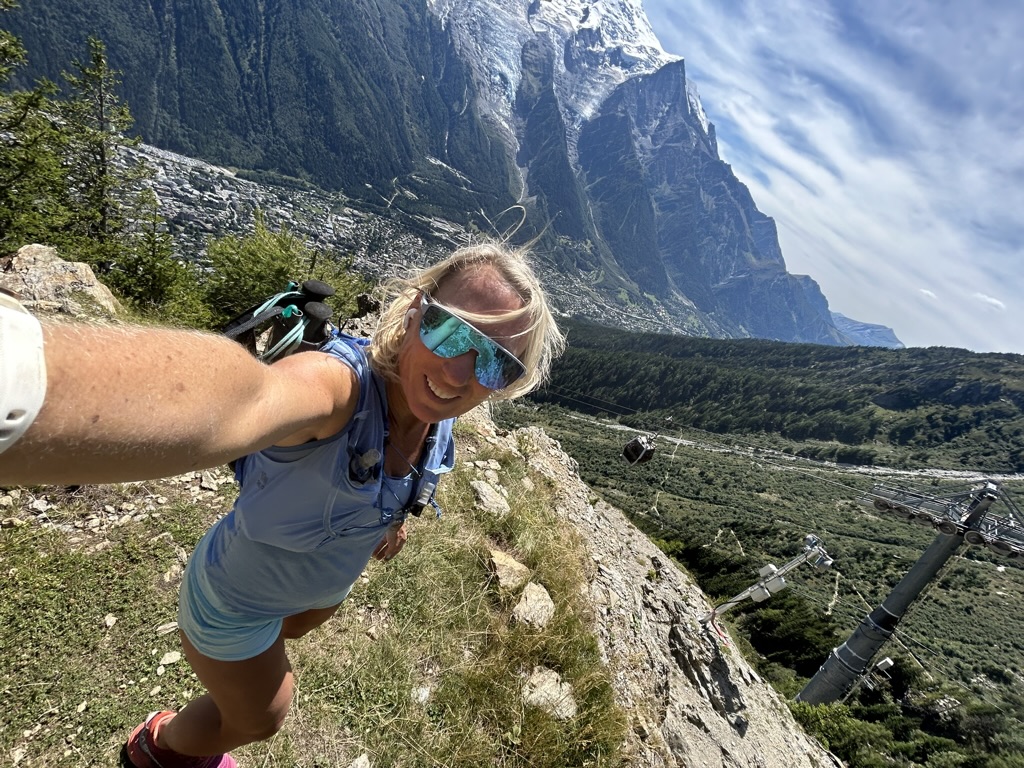
Sport has become one of the most powerful languages of modern luxury because it communicates values that cannot be faked: discipline, mastery, consistency and excellence.
In 2026, luxury’s relationship with sport has evolved far beyond sponsorship. Performance culture now informs how luxury is expressed across automotive, fashion, horology and lifestyle.
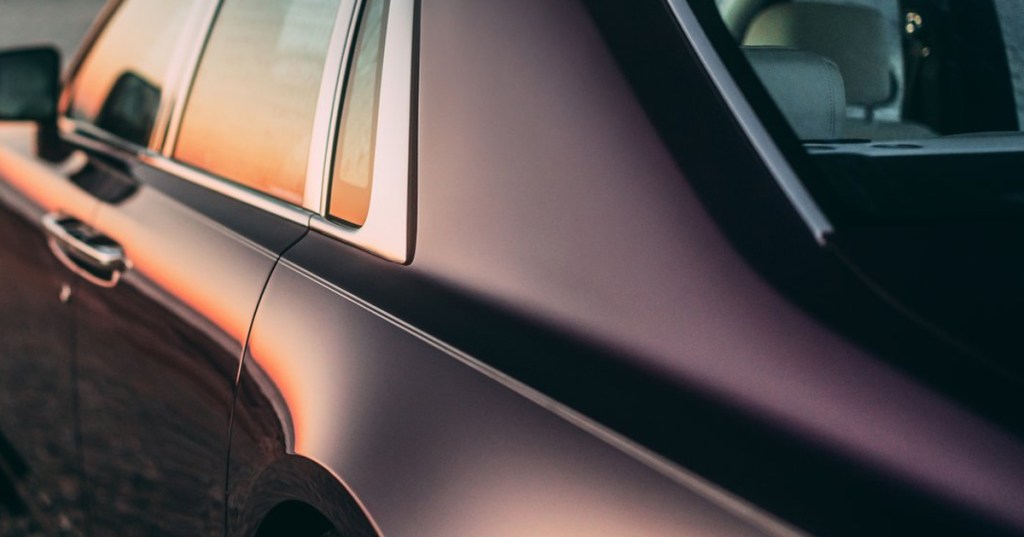
- In automotive, luxury performance blends raw capability with composure. Speed matters, but control matters more.
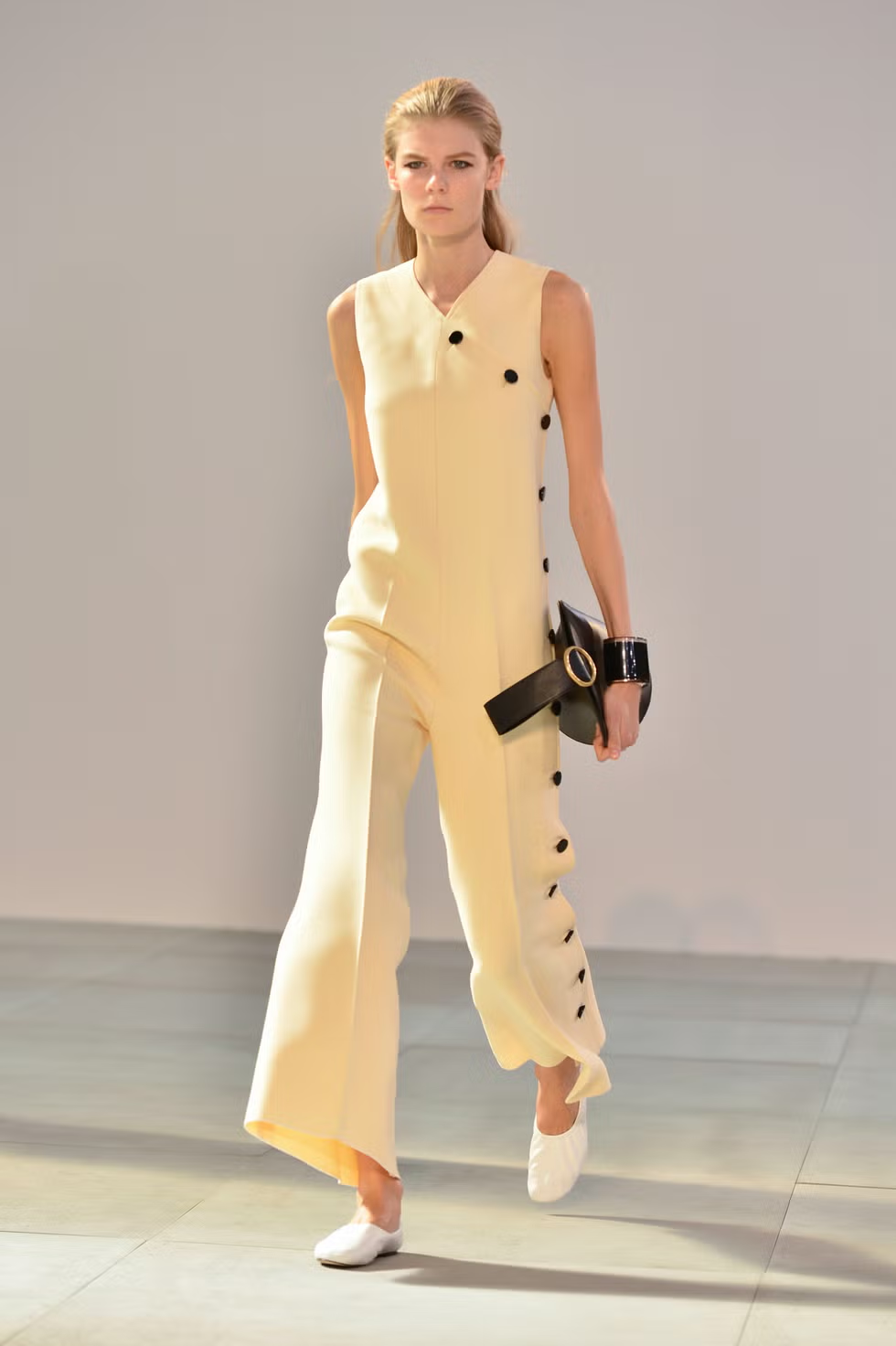
- In fashion, the boundary between athletic performance and high-end design has collapsed. Technical garments, movement, recovery and everyday performance are now central to luxury aesthetics.
- In horology, sports watches remain dominant because they encode endurance, precision and a life lived in motion.
Sport signals a life organised around training, recovery and self-mastery. In an era of excess, discipline has become aspirational.
Travel as the Container for Transformation

Luxury travel has shifted from destination-led to outcome-led.
The most valuable journeys today promise recalibration rather than escape:
- better sleep
- physical recovery
- improved mental clarity
- restored emotional balance
Travel has become the delivery system through which wellbeing and sport are activated. Retreats, training environments and recovery-focused destinations provide controlled conditions where transformation can occur.
As digital life accelerates, physical presence has become scarce. In that scarcity, travel reasserts its luxury function: to slow time, remove friction, and protect attention.
Privacy, Presence and the New Meaning of Exclusivity

In a culture dominated by visibility, privacy has become aspirational.
Luxury increasingly signals itself through:
- invitation-only environments
- small, trusted communities
- high-touch, low-noise experiences
- controlled access rather than mass exposure
Influence now travels quietly. Recommendations circulate in private. Cultural relevance is sustained through discernment rather than virality.
Luxury has not become quieter by accident. It has become quieter because quiet now signifies control.
The Emerging Luxury Hierarchy
Across wellbeing, sport and travel, a new hierarchy of value is taking shape:
- Presence over performance online
- Recovery over novelty
- Longevity over accumulation
- Discipline over display
- Privacy over exposure
Luxury is no longer about excess. It is about precision.The future of luxury belongs to those who can design lives—and experiences—that optimise how people live, move, rest and endure. In a hyperstimulated world, the ultimate indulgence is not more stimulation, but the ability to remain clear, calm and fully alive.








 Coney Luxury